Diversity of African Coffee Regions
each region offers something distinct
How African coffee regions differ
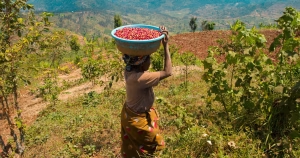
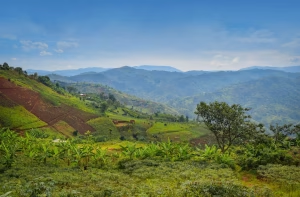
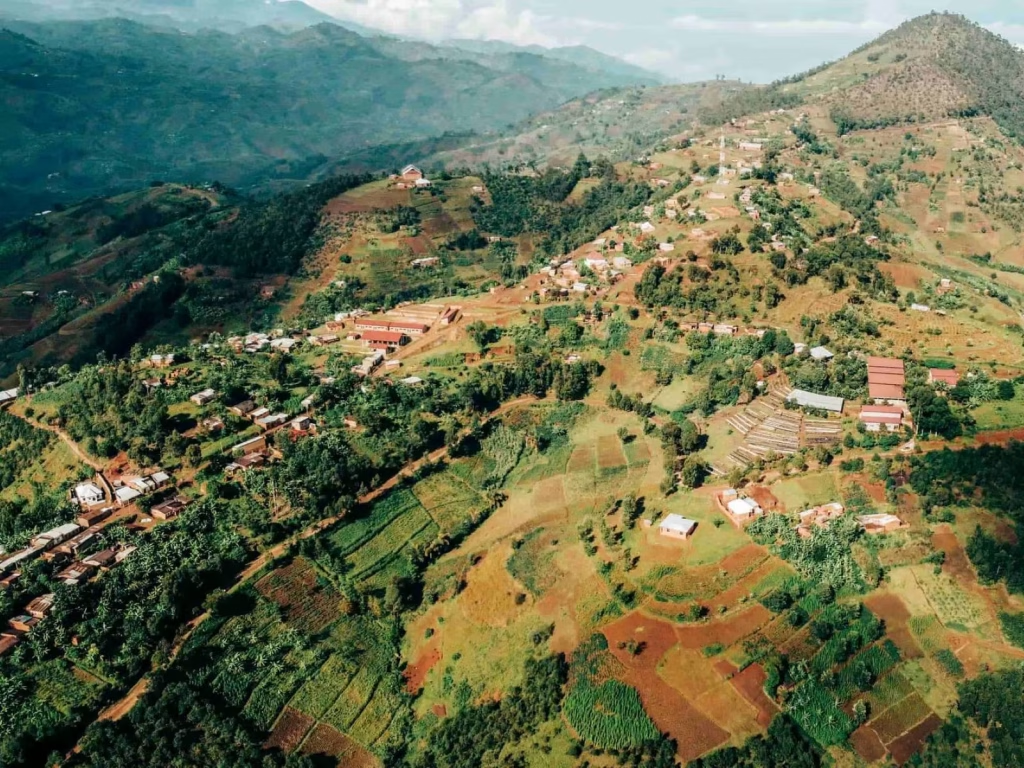
Africa is the birthplace of coffee, and its landscapes, microclimates, and traditions create some of the most diverse flavour profiles in the world. From bright florals to deep fruit notes, each of the African coffee regions offers something distinct — shaped by altitude, processing, and generations of skilled smallholder farmers.
Ethiopian coffee
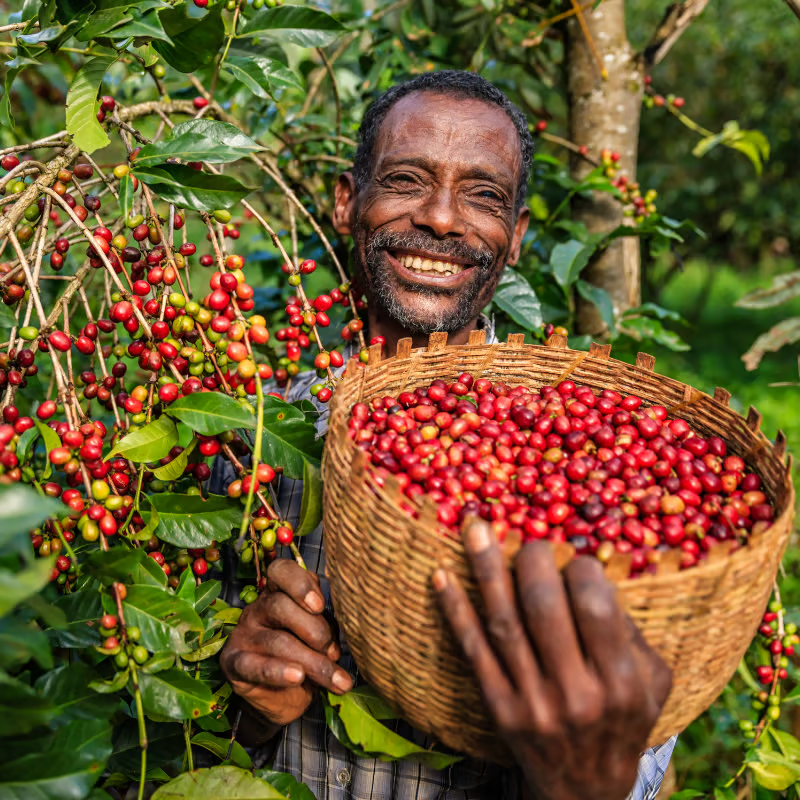
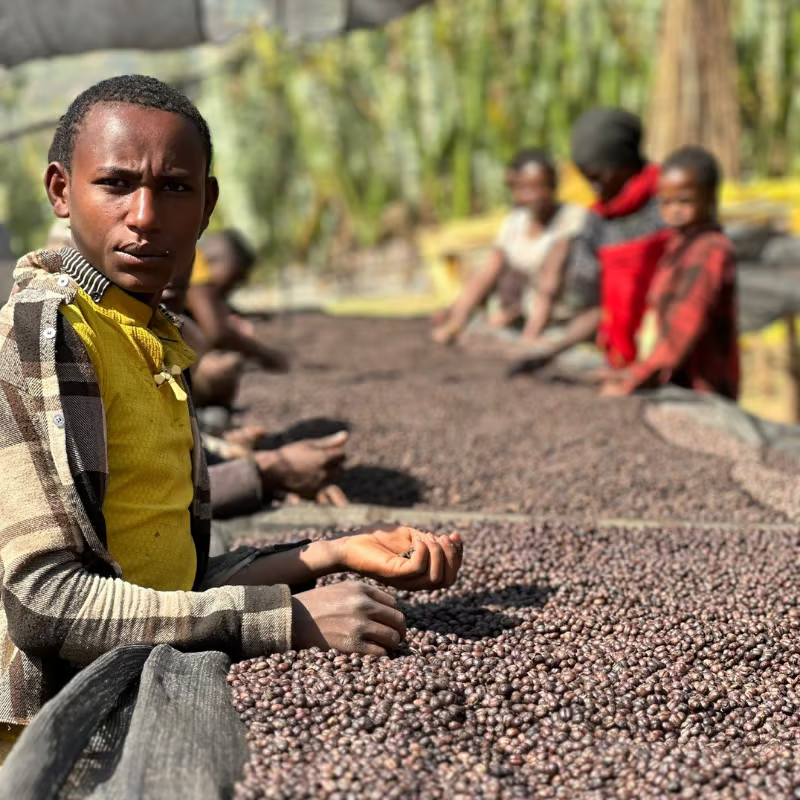
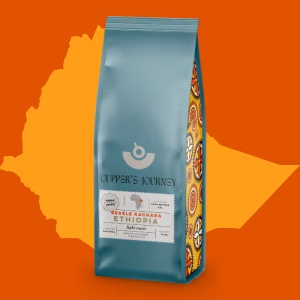
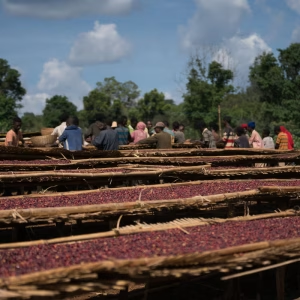
Ethiopia produces some of the most diverse and celebrated coffees on earth. Flavours range from wild, fruity naturals to elegant, complex washed profiles.
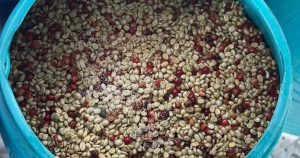
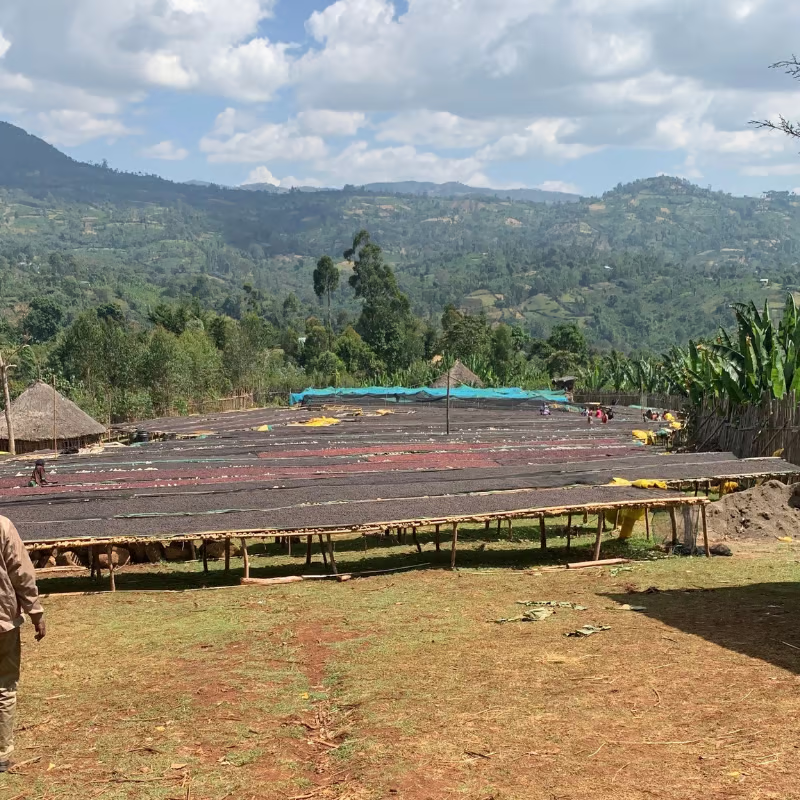
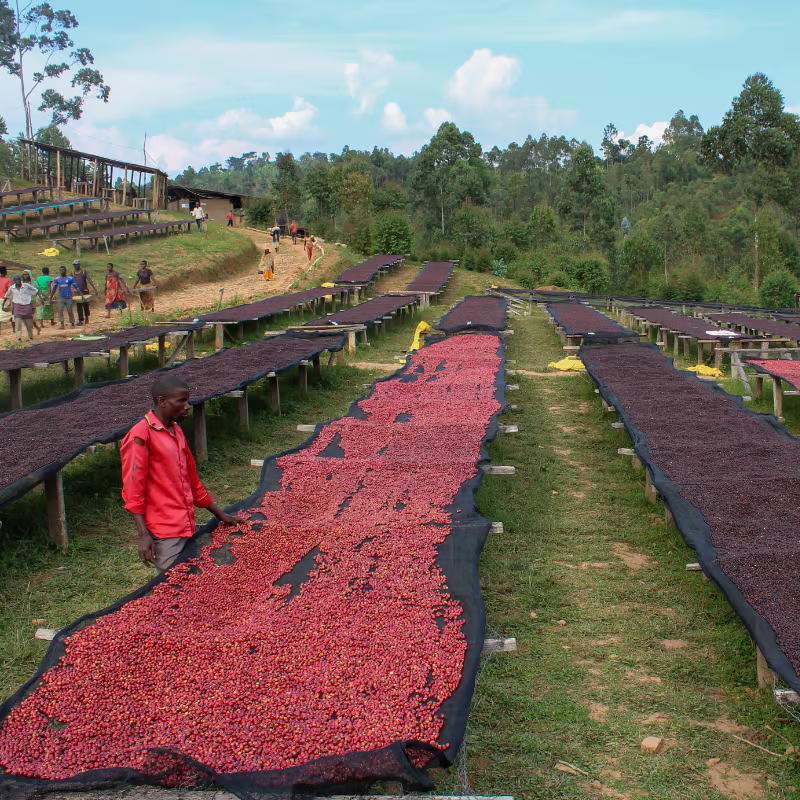
Natural processing is especially common here: cherries are dried whole, allowing the fruit to impart rich sweetness and bold, jammy notes.
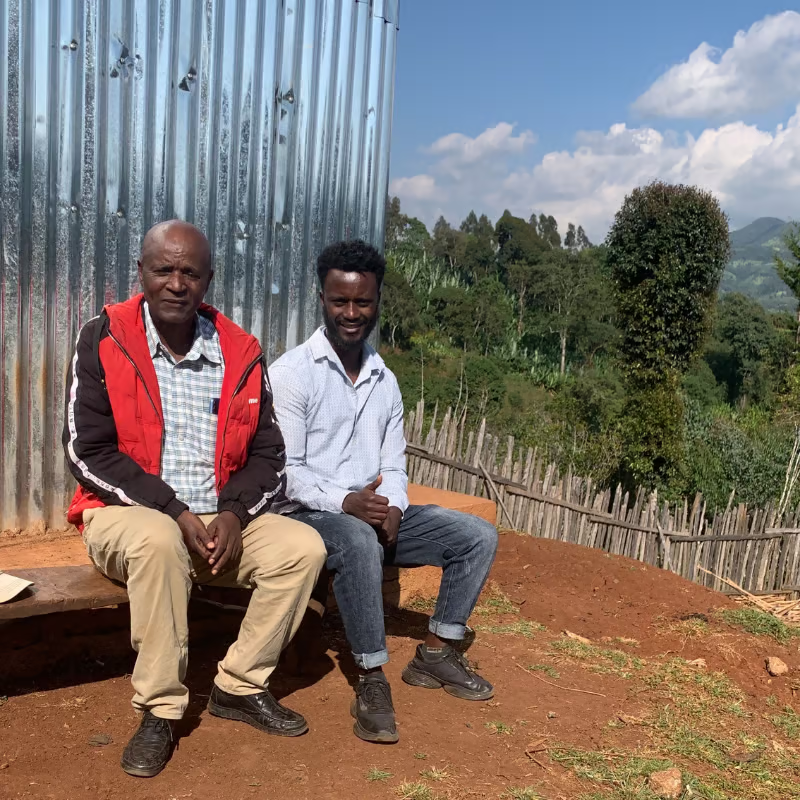
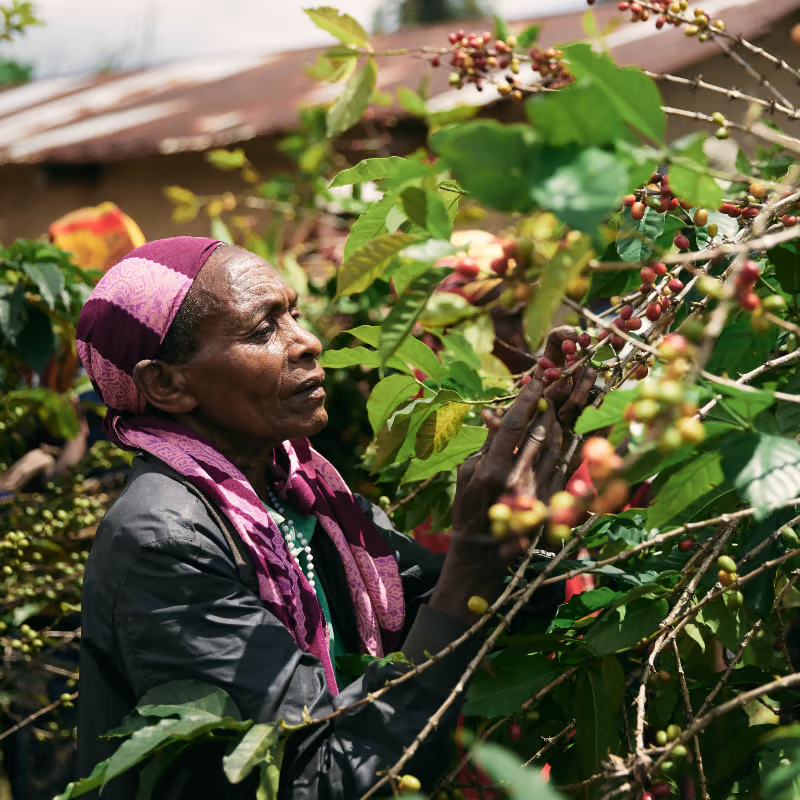
Ethiopia’s coffee sector is dominated by highly skilled smallholder farmers who use traditional, sustainable methods passed down through generations.



Rwandan coffee
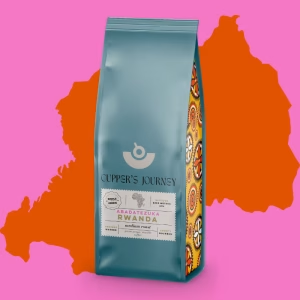
Rwanda’s coffees are known for their crisp, clean flavours — think grape-like acidity, floral aromatics, and juicy sweetness.
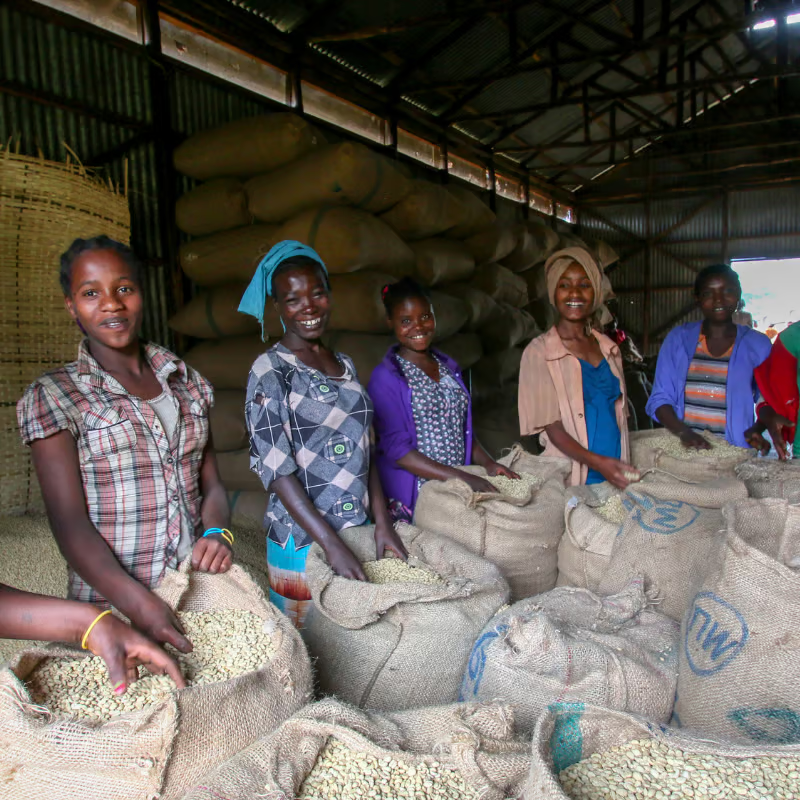
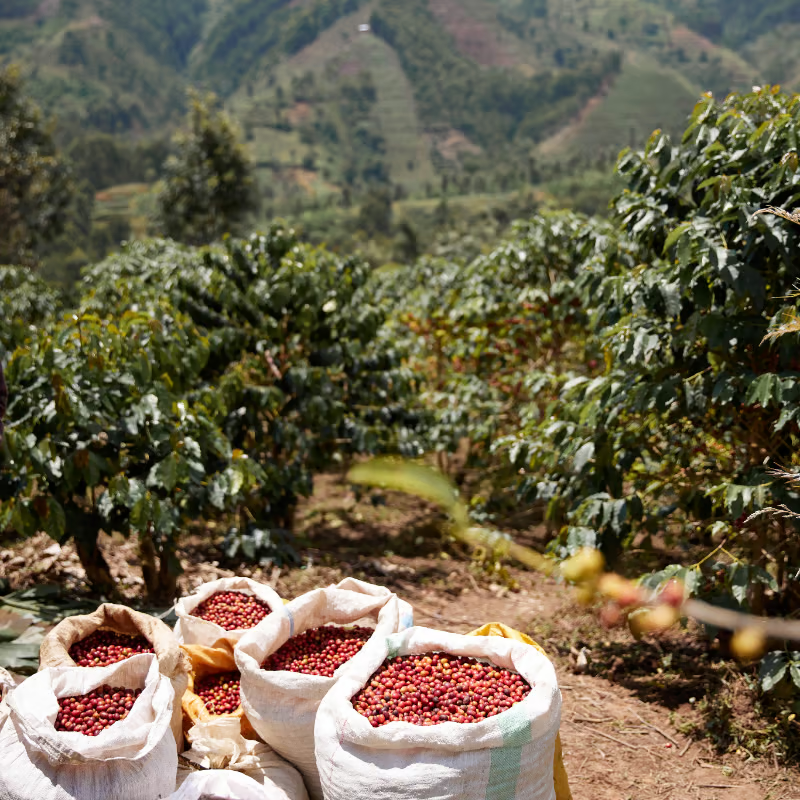
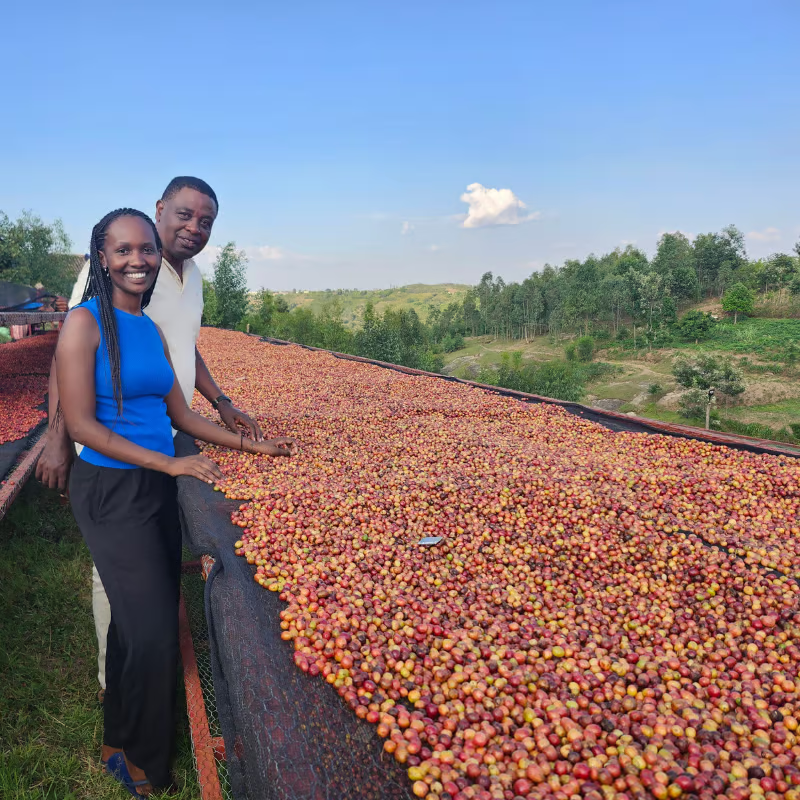
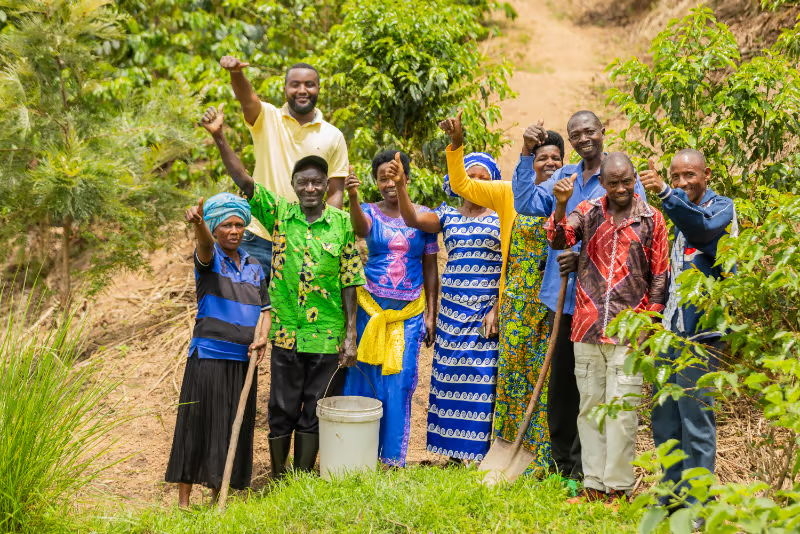
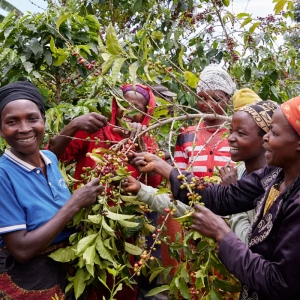
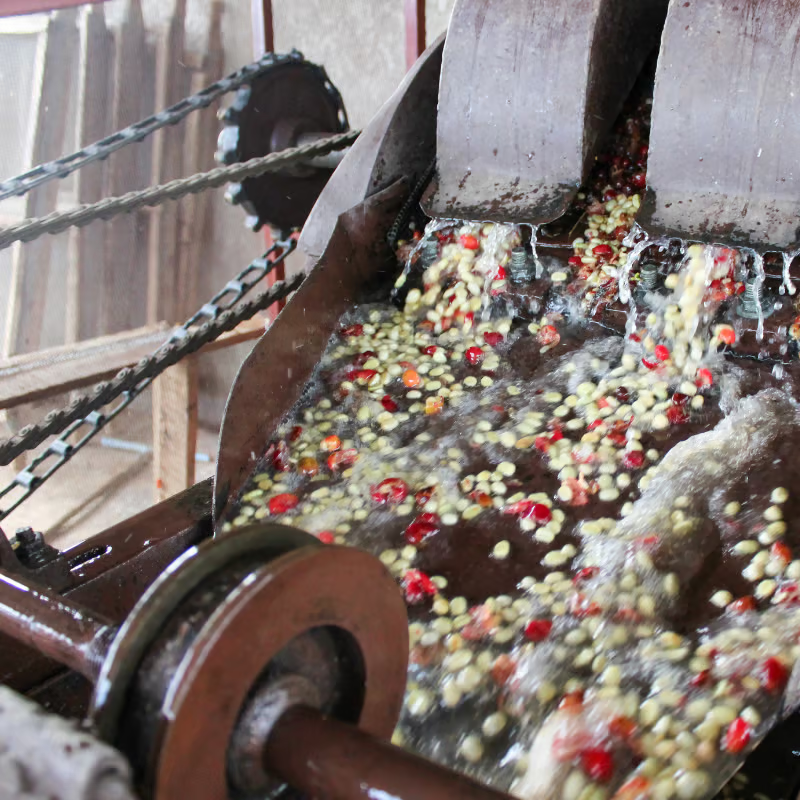
Most Rwandan coffees are washed, but natural processing is growing as producers explore premium micro-lots and flavour innovation. High-altitude drying and meticulous post-harvest practices give Rwandan coffees their silky texture and balanced sweetness.
The country is now recognised as a leader in quality control and traceability.



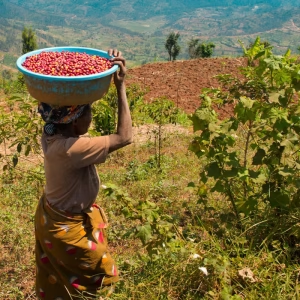
Kenyan coffee
Kenya is renowned for its bright, berry-forward coffees with intense, layered acidity. High elevations and volcanic soils create exceptional clarity and complexity in the cup.
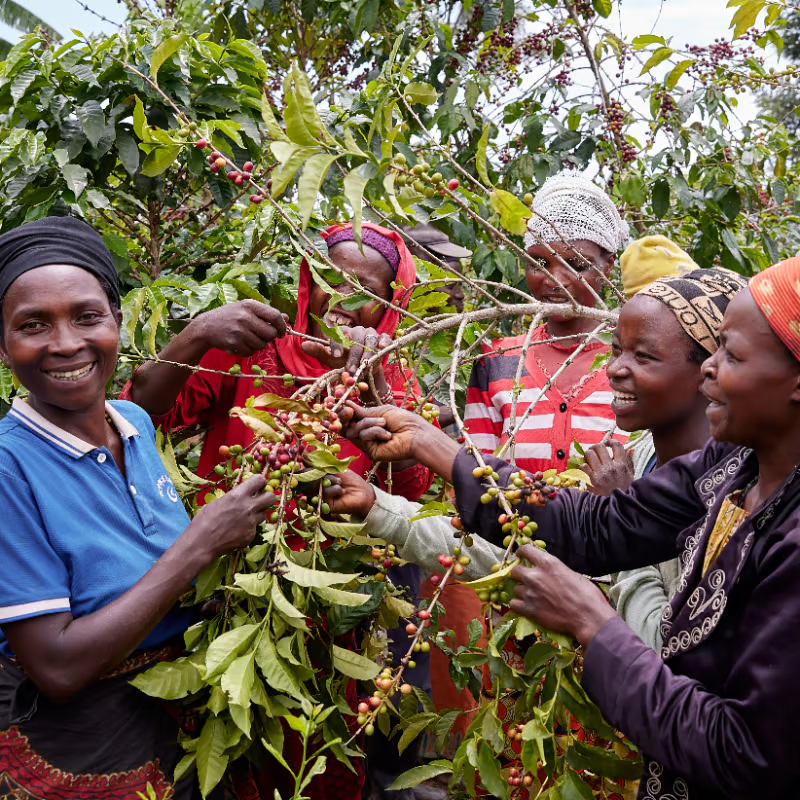
Much of Kenya’s production comes from co-operatives that support thousands of smallholder farmers.
Coffee here is deeply tied to hospitality, community, and shared identity.
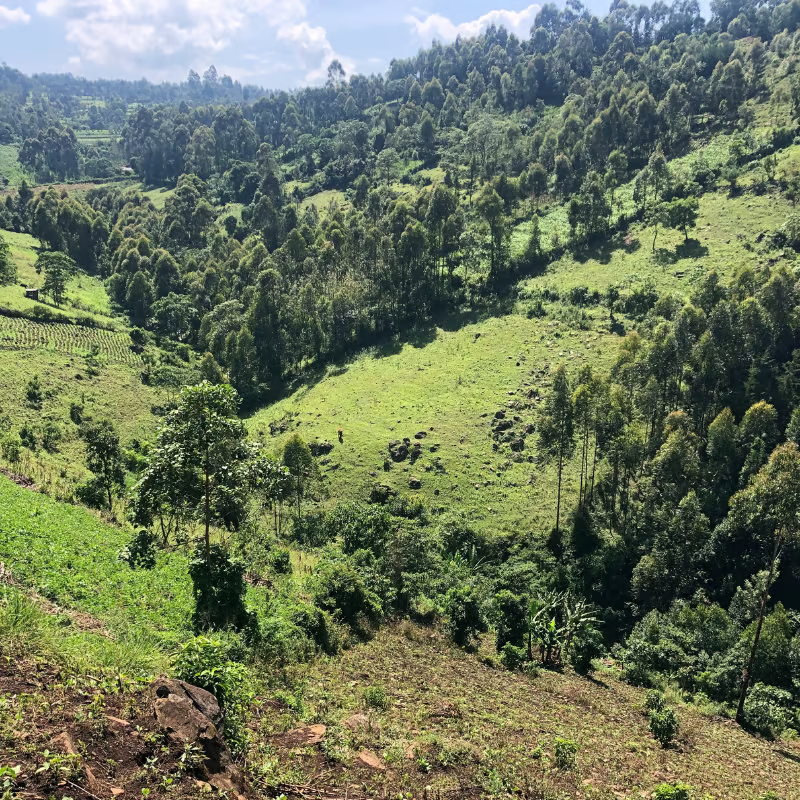
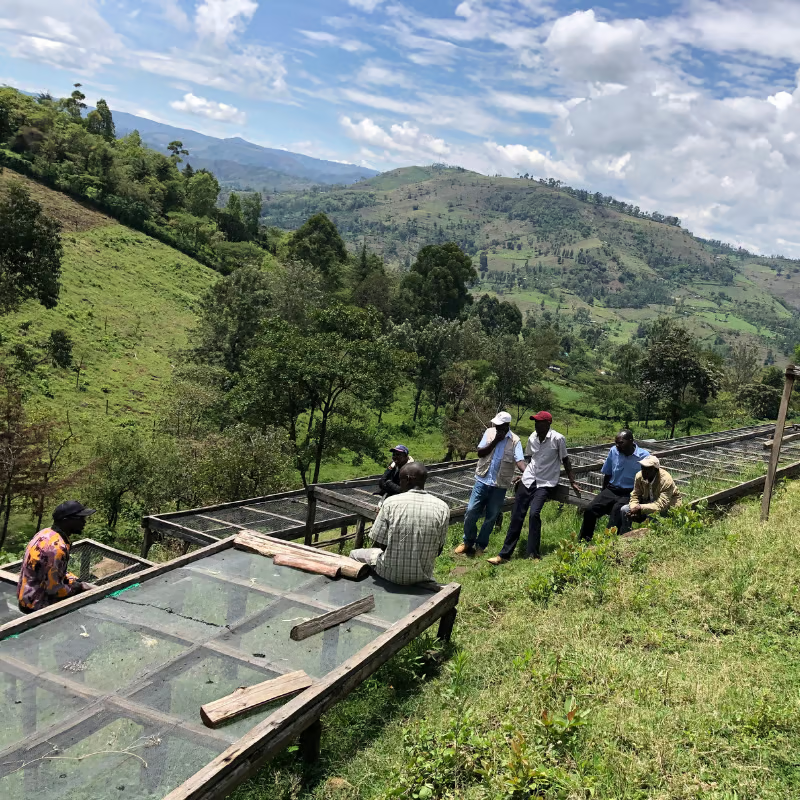
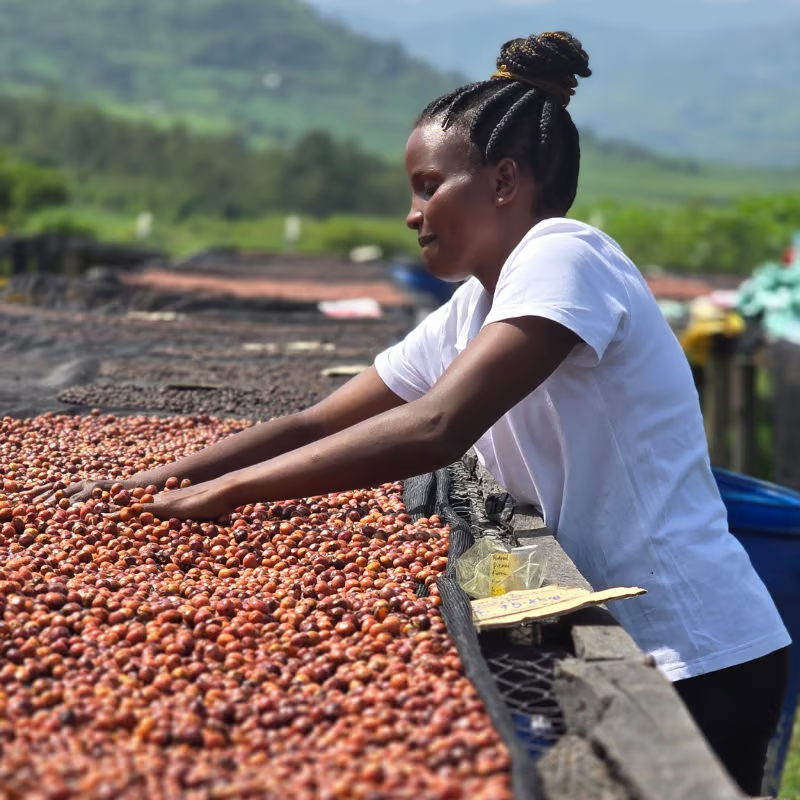

Burundian coffee
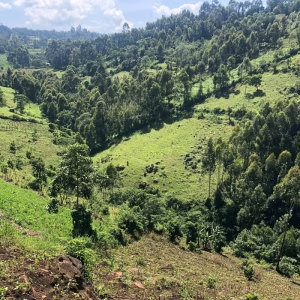
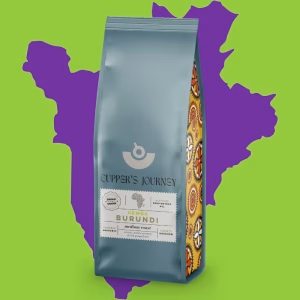
Burundi produces juicy, sweet, and vibrant coffees that are increasingly sought after in speciality markets.
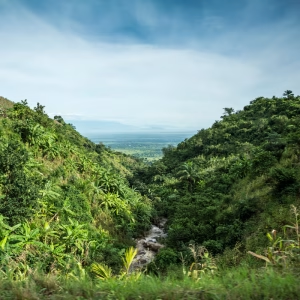
Despite infrastructure challenges, the country has gained recognition for exceptional micro-lots grown at high altitudes.
Expect lively acidity, red fruit notes, and a clean, sweet finish.
Ugandan coffee
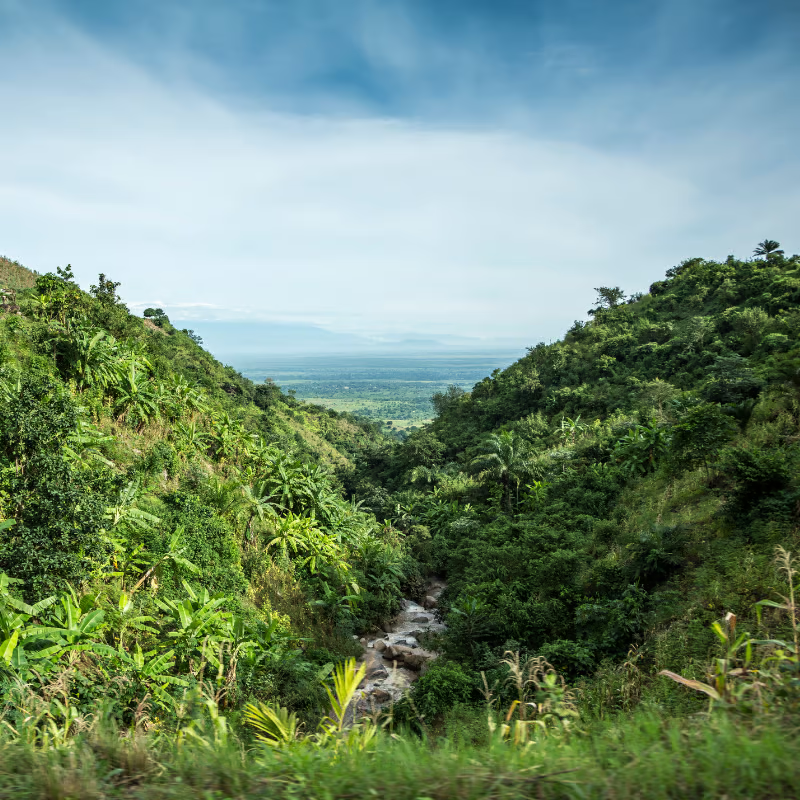
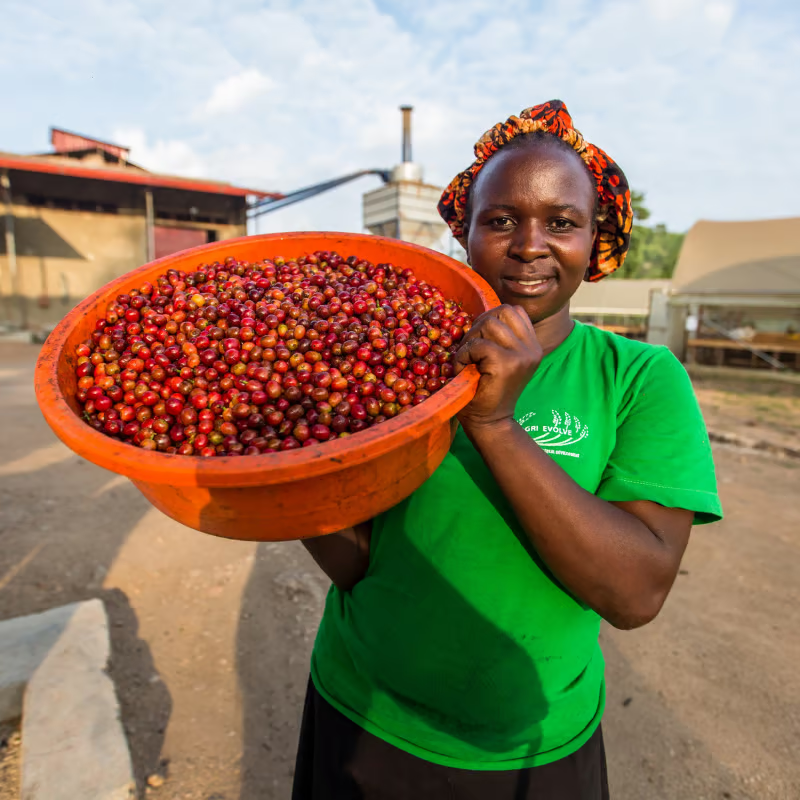
While Robusta is native to Uganda, it is the speciality Arabica that truly shines. Ugandan Arabica often delivers deep, sweet fruit notes with mellow acidity and a smooth, rounded body.
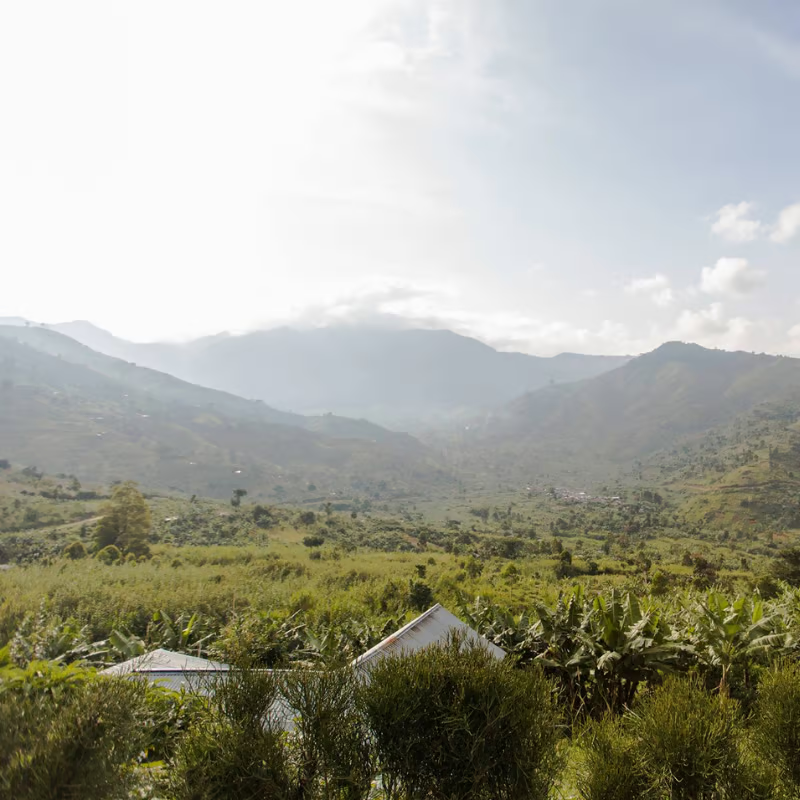
High-altitude regions and improving processing methods are helping Uganda gain momentum in the speciality sector.

Zambian coffee
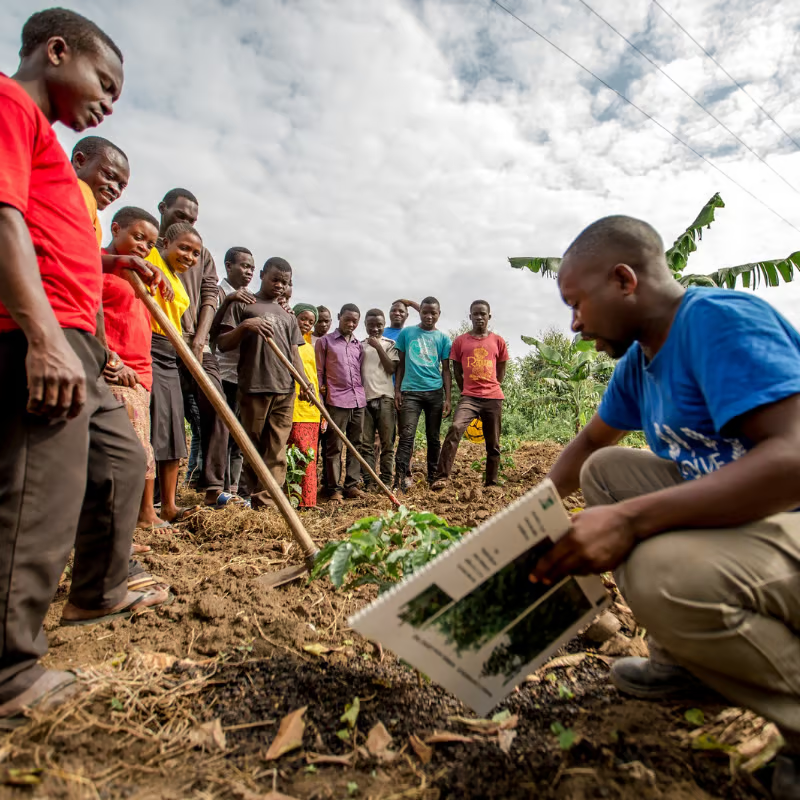
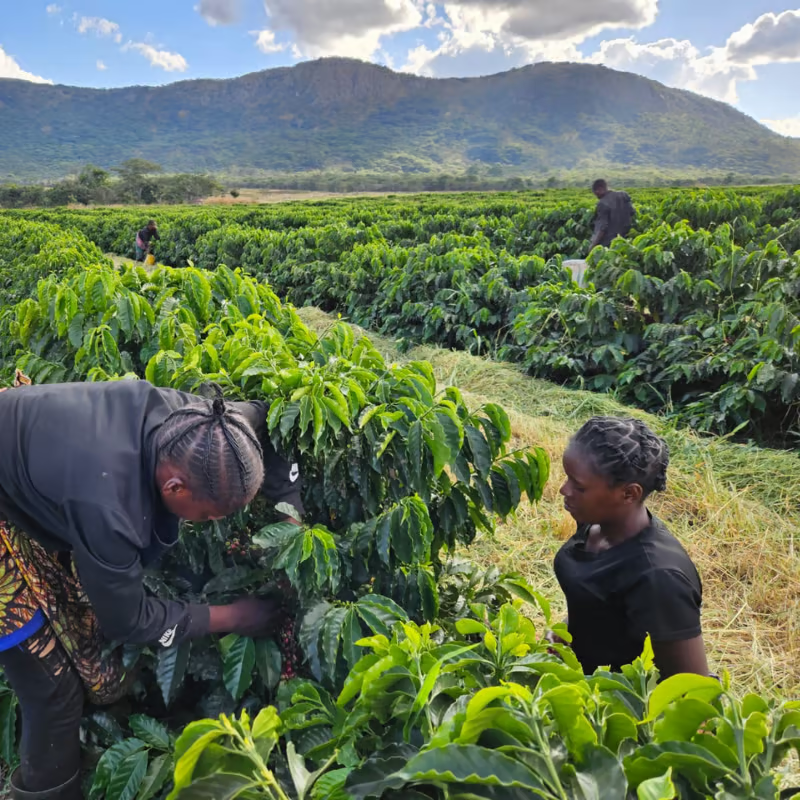
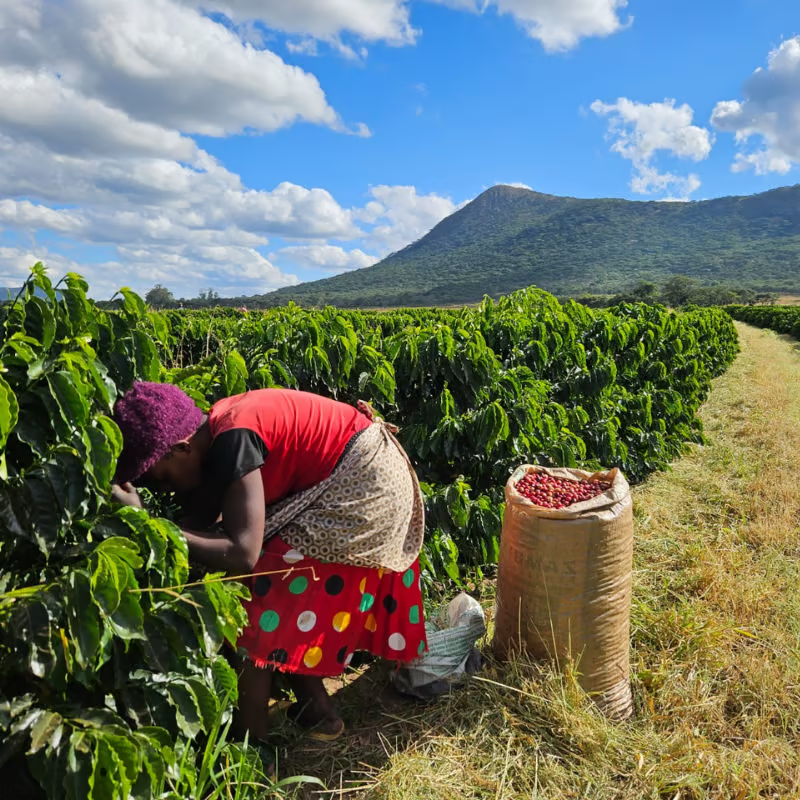
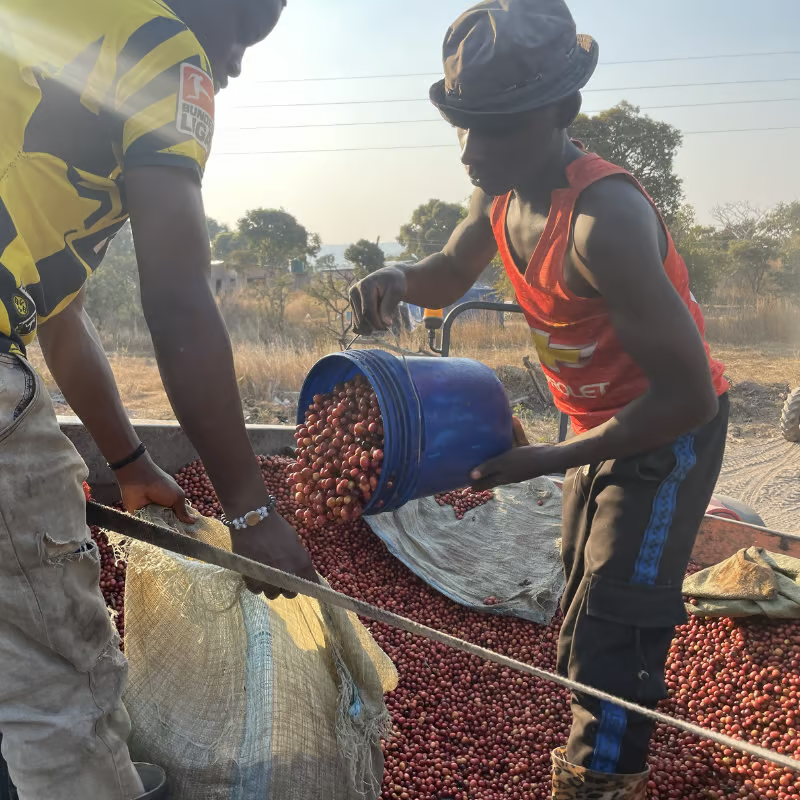
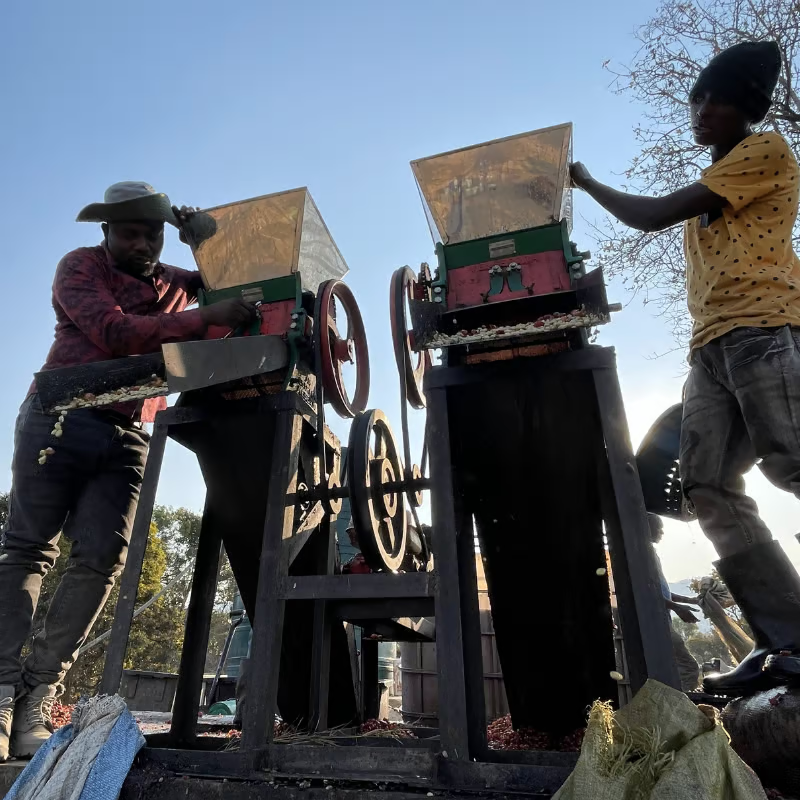
Zambia is a rising star in African coffee. Though a newer producer, it has flourished since the 1970s, especially in high-altitude regions.
Zambian coffees tend to be smooth and full-bodied, with mild acidity and gentle fruity notes.
Washed processing is common, giving the cup a clean, balanced profile.
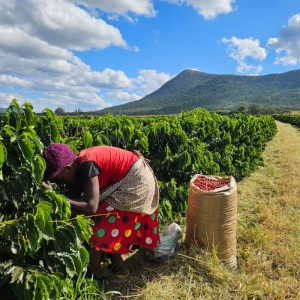
No two regions taste the same
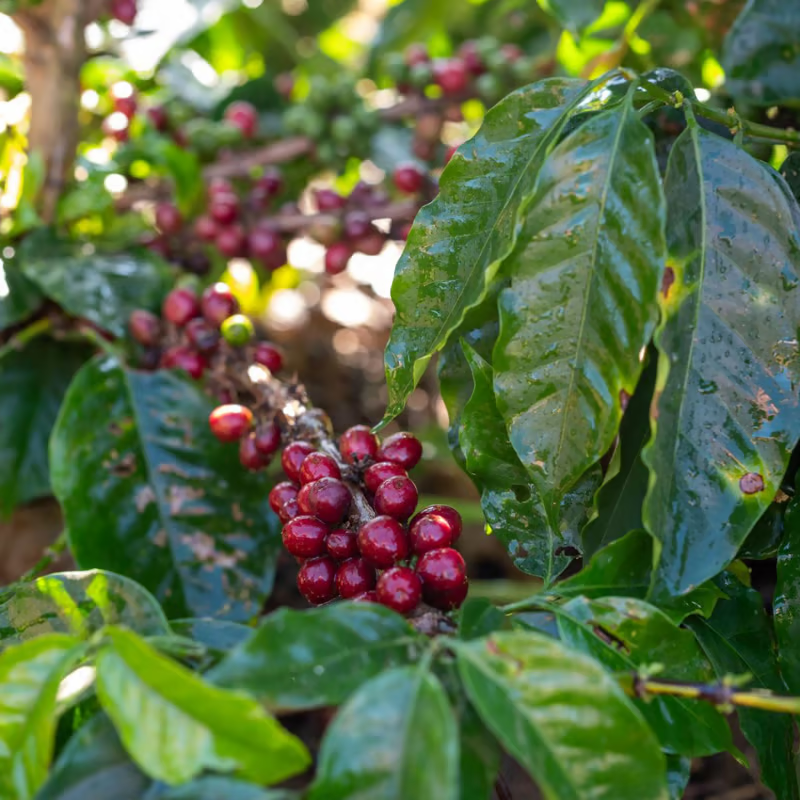
Across Africa, no two regions taste the same — each cup reflects its altitude, soil, climate, processing traditions, and the dedication of the farmers who bring it to life. Exploring African coffee is a journey through landscapes, cultures, and flavours that continue to shape the global coffee story.