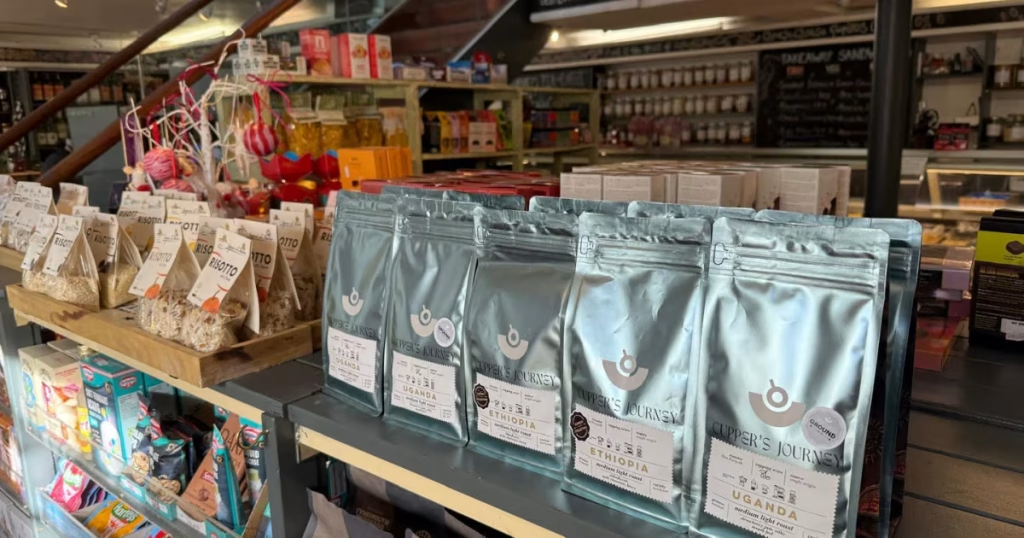
African coffee varieties explained
shaping the future of speciality coffee
Ethiopian Heirloom coffee
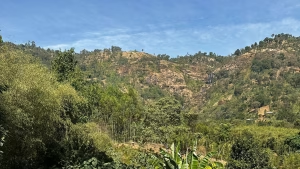
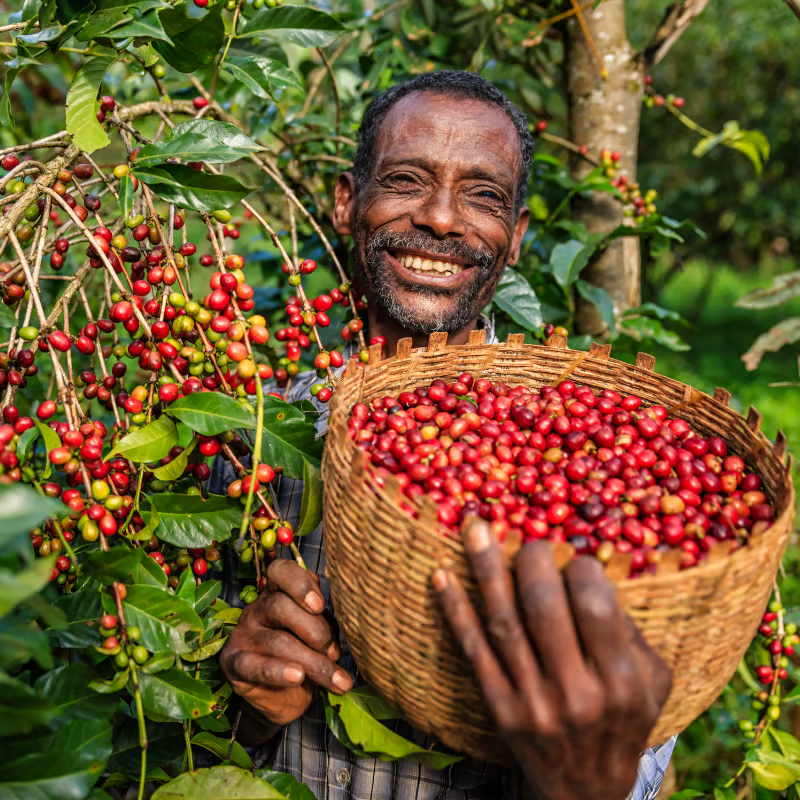
Ethiopia is home to thousands of indigenous Arabica varieties, commonly grouped as Heirloom. These African coffee varieties grow at 1200–2400+ metres, with ideal temperatures between 18–22°C. High elevations bring cool nights and mild days, slowing ripening and building layered sweetness.
Many Heirloom trees grow under forest shade. Slow maturation encourages complex sugars, producing vibrant acidity and intense aromatics.
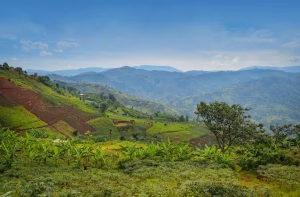
Volcanic soils and flavour
Heirlooms thrive in deep red volcanic soils. These soils are porous, mineral-rich, and slightly acidic, containing potassium, iron, and magnesium.
This soil structure enhances:
- Bright acidity
- Floral aromatics
- Complex fruit notes
Naturally processed Heirlooms often display wine-like sweetness and pronounced fruit character (for example our Halo Beriti).
harvest and processing
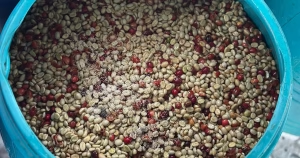
Cherries are handpicked to ensure only ripe fruit is selected. Many are sun-dried naturally, concentrating sweetness.
The beans are typically small and dense. A slightly coarser grind often improves clarity in the cup.
JARC varieties – resilience with quality
To strengthen Ethiopia’s coffee sector, the Jimma Agricultural Research Centre (JARC) selected improved varieties from Heirloom populations.
These cultivars offer:
- Stronger disease resistance
- Higher yields
- Reliable cup quality
JARC 74110
Released in 1974, 74110 remains one of the most recognised JARC varieties. It performs well at 1500 – 2200 metres in Ethiopia’s volcanic soils.
Cup profile:
- Sweet and floral
- Apricot and citrus
- Berry notes
- Honeyed finish
- Clean, balanced body
74110 preserves classic Ethiopian character while improving field performance (shop for Bekele Kachara).

Bourbon: A cornerstone of African Speciality coffee
Bourbon is one of the most important Arabica varieties worldwide. It emerged as a natural mutation of Typica. Seeds moved from Ethiopia to Yemen, then to Réunion Island (formerly Bourbon), before spreading across East Africa.
Today, Bourbon dominates production in Rwanda and Burundi.
Growing conditions
Bourbon thrives at 1500–1900 metres in mild tropical climates, with temperatures between 14–23°C.
Volcanic soils, steady rainfall, and consistent humidity create ideal conditions.
Cup Profile:
- Pronounced sweetness
- Bright citrus acidity
- Silky body
- Clean finish
It is delicate and climate-sensitive. Trees require careful management and typically bear fruit in their fourth year.
Red Bourbon
Red Bourbon is the dominant type in Rwanda and Burundi.
It produces concentrated sweetness and balanced acidity. Compared to Yellow Bourbon, it contains higher glucose levels, creating a smoother, silkier cup (shop for Rwamatamu coffee).
SL Varieties – Kenya’s legacy of excellence
Scott Laboratories (SL) in Kenya developed several high-performing varieties to improve drought tolerance while preserving cup quality. These SL cultivars remain among Africa’s most respected.
SL28
SL28 is celebrated for exceptional flavour.
It thrives above 1500 metres, where cool nights and steady rainfall slow ripening and intensify sugars.
Cup profile:
- Vibrant fruit
- Bright acidity
- Structured complexity
However, SL28 is disease-susceptible and takes three years to produce fruit.
SL34
SL34 combines strong yields with outstanding cup quality. It performs well in wetter, mineral-rich conditions. Compared to SL28, it offers a heavier body and deeper fruit notes, often dark berry or plum, with a crisp finish.
Recent research suggests SL34 may be genetically closer to Typica than Bourbon.
SL14
Developed for drought resistance, SL14 adapts well to climate variability.
Cup profile:
- Balanced
- Red berry notes
- Stone fruit character
- Chocolate undertones
Its resilience makes it valuable in regions facing rising temperatures and irregular rainfall (shop for Silverback coffee).
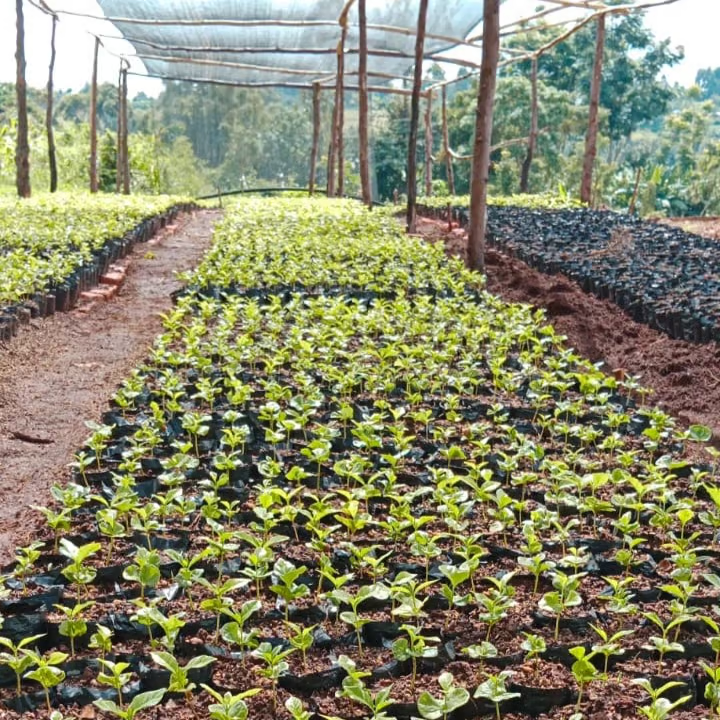
Starmaya – A Hybrid for the Future
Starmaya is a major breakthrough in coffee breeding. It is the first F1 hybrid propagated by seed rather than costly laboratory cloning, making it accessible to smallholder farmers.
It was created by crossing Marsellesa with a wild Ethiopian/Sudanese mutant. The goal was climate resilience without sacrificing cup quality.
Cup Profile:
- Dark berry acidity
- Vibrant fruit complexity
- Silky body
- Dark chocolate notes
- Refined clarity
As climate pressures intensify, hybrids like Starmaya may play a key role in securing specialty coffee’s future (shop for Mount Sunzu)
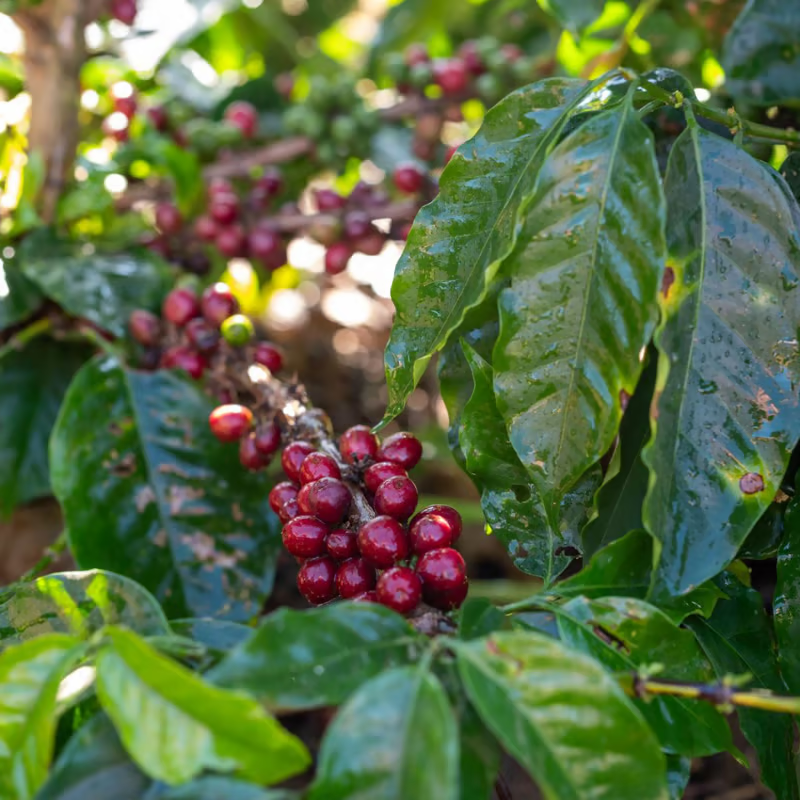
Why African Varieties matter
African coffee varieties represent resilience, adaptation, and centuries of cultivation.
As Arabica faces mounting environmental threats, protecting varietal diversity is critical. Supporting producers who cultivate these varieties helps safeguard both flavour and long-term supply.
From wild Ethiopian Heirlooms to Kenyan SL selections and modern hybrids like Starmaya, Africa continues to shape the future of speciality coffee.
Have fun exploring this varietal map made by World Coffee Research, use your mouse as a magnifier!
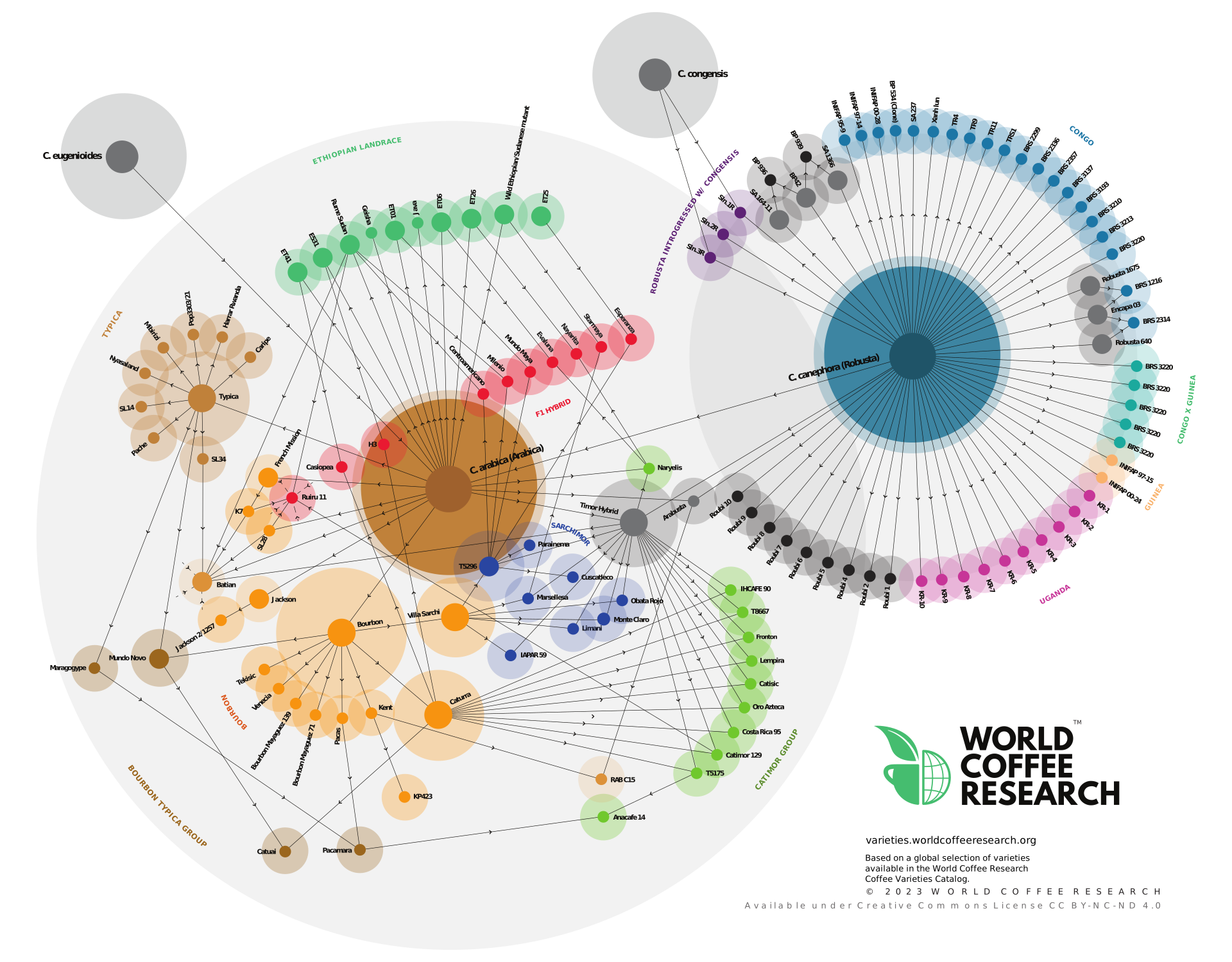
Note that this is best explored on the desktop version of the website