The Ultimate Guide to Pour Over Coffee
why it’s perfect for African coffee
Pour over coffee brewing is one of the best ways to showcase the complexity of African coffees. These beans are naturally vibrant, expressive, and full of unexpected flavour notes — and the slow, mindful pour over method gives them the space to shine. If you want clarity, sweetness, and a clean cup that honours the craft, this is the technique to choose.
Why Pour over coffee works so well
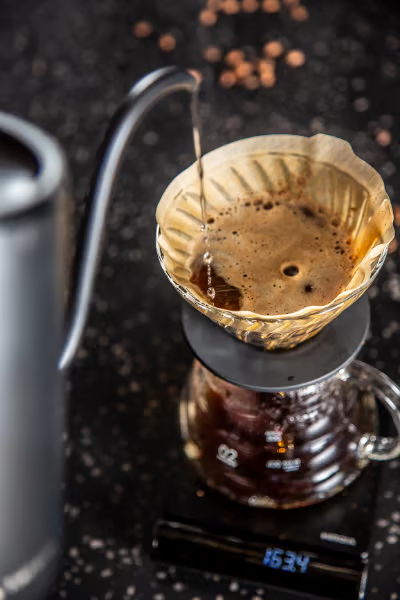
Pour over coffee brewing uses a cone-shaped dripper and filter paper. Hot water flows through the grounds at a controlled pace, extracting flavour with precision – you control temperature, flow rate, and timing — the three variables that make African coffees taste their best.
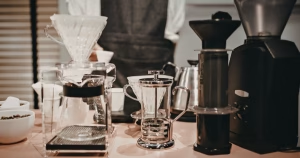
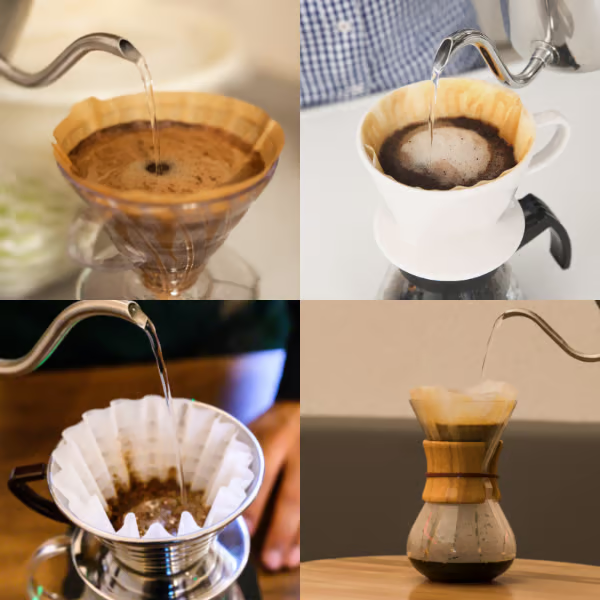
Types of pour over drippers
Different drippers create slightly different results, but the principles are the same.
- V60 — The icon of speciality coffee. Spiral ridges and a 60° cone encourage a bright, clean cup
- Melitta Bentz — The original paper‑filter brewer; simple, reliable, and consistent
- Kalita — A flat‑bottomed brewer with wave filters that promote even extraction and a rounder body
- Chemex — A beautiful glass brewer with thick filters that create an exceptionally clean, delicate cup
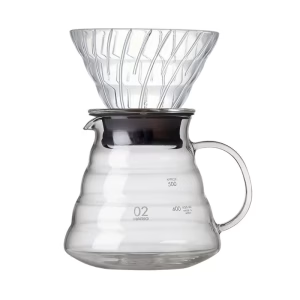
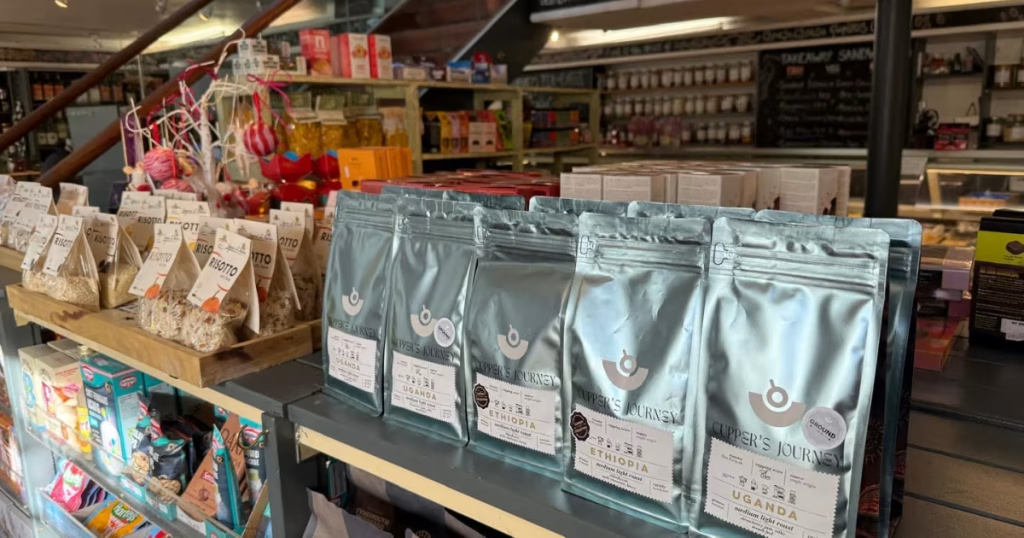
At Cupper’s Journey, we favour the V60 for its clarity and versatility. It is available in our shop in combination with a range server.
The Perfect pour over: Key specs
- Ratio: 60g per litre of water
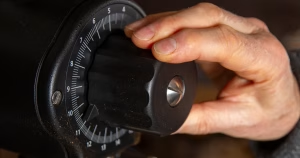
- Grind: Medium to medium-fine
- Total time: 4 minutes
Step‑by‑Step Pour Over Method
Total time: 4 minutes
Rinse the filter
Place the filter in the dripper and rinse with hot water to remove paper taste and warm your server or cup. Discard the rinse water.
Grind your beans
Use 60g of coffee per litre of water (eg 24g for 400ml). Grind medium‑fine — slightly finer for a V60. Adjust grind as you refine your technique.
Set up your brewer
Place the dripper on your server or cup. If using scales, set everything on top and zero them.
Add the ground beans
Pour the ground coffee into the centre of the cone and level it out.
heat your water
Heat your water to around 93-95°C. A gooseneck kettle gives you the best control.
Bloom
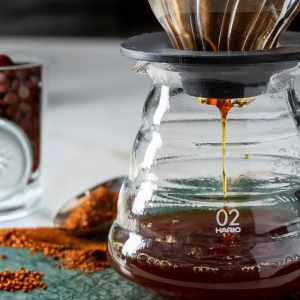
Pour roughly double the weight of coffee in water (eg 48g for 24g coffee). Pour gently in circles, saturating all grounds. Let it bloom for 45 seconds.
First pour
Slowly add about half the remaining water in circular motions over 30 seconds. Let it drain for another 45 seconds.
Second pour
Add the rest of the water in another slow, steady 30 second pour.
Swirl and finish
Before the dripper fully drains, give it a gentle swirl to even out extraction. Let it finish dripping — then enjoy a beautifully clean, expressive cup.
Notes for Different Brewers
- Flat‑bottom brewers (Kalita) need slow, steady circular pours to keep the extraction even.
- Chemex uses thicker filters, so drip times are longer — you may need a slightly coarser grind.
If you want to watch someone doing this in even more detail, James Hoffman has a great pour over coffee video discussing the manual V60 pour over technique on YouTube.
Automated pour over options
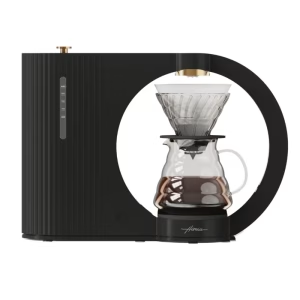
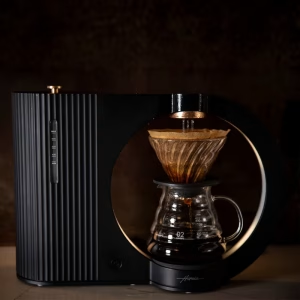
If you love the flavour but not the manual process, the Hikaru V60 Smart Brewer automates temperature, flow rate, and timing to deliver a consistent pour over every time — ideal for busy mornings or batch brewing.
Pour over brewing is more than a method — it’s a ritual that brings out the very best in African coffee. With a little care and a few simple steps, you can unlock the clarity, sweetness, and complexity that make these coffees so extraordinary.