
How coffee processes affect your cup
there’s more to it than you think!
Harvesting at peak freshness
The most critical part of coffee processes from bean to cup is the picking. Harvesting the coffee berries at peak ripeness is fundamental to ensuring a high-quality speciality coffee. This is why the best coffees are hand-picked — where berries are selected at the optimal time. All the rest of the process is focused on preserving the quality of the bean.
The harvested cherries are then picked over to remove those that are under or over-ripe. This is either done by hand, or if facilities exist, by floating the cherries in water tanks. Ripe fruit sinks, while unripe and those past their best float and can be skimmed off.
Processing methods affect the resulting cup
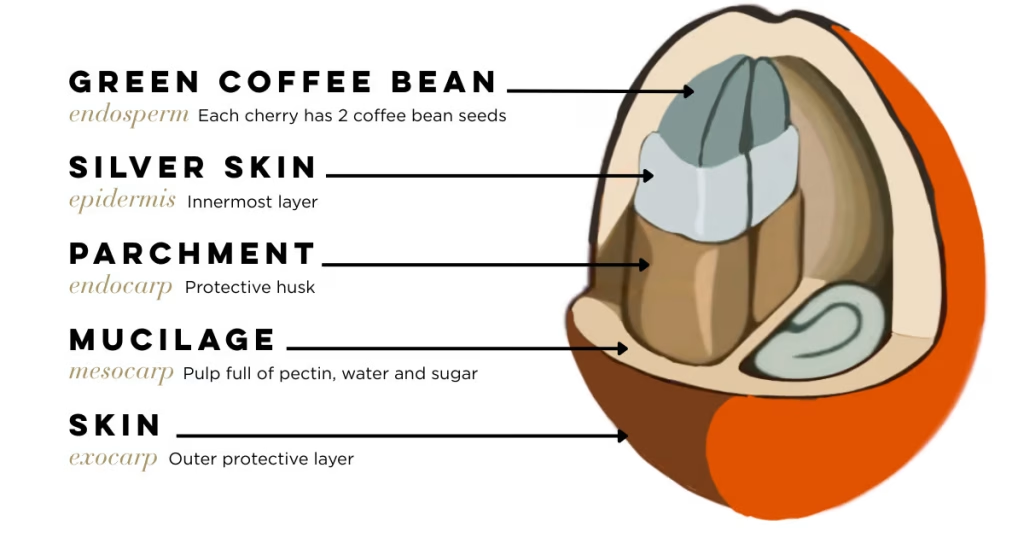
Anatomy of a coffee cherry
The coffee cherry has several layers and in the middle are two green coffee beans. There are different processes and techniques to separate the bean from the flesh of the cherry. But once separated, the moisture content of the bean must be reduced from a level of around 60% to 10-12% so that it can be stored and shipped safely.
Natural processed coffee
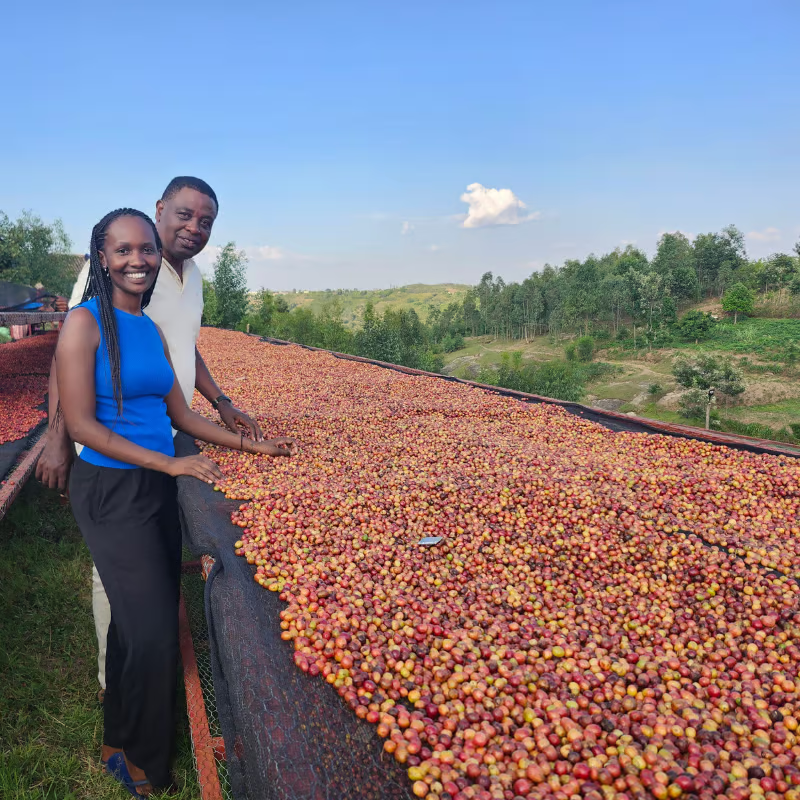
This is the traditional method of processing coffee. The bean is dried inside the whole cherry which allows it to soak up all the intense, syrupy sugars from the pulp.
Cherries are spread in a thin layer on raised beds to dry in the sun. Regular turning and monitoring ensures an even drying process. It can take up to six weeks until moisture levels get to the required 10-12%. After this, the cherries are ready to be de-pulped.
The natural process produces an intense, jammy, fuller bodied coffee. It is more common in countries with little access to water such as Ethiopia where significantly less water is used compared with other coffee processes.
washed process
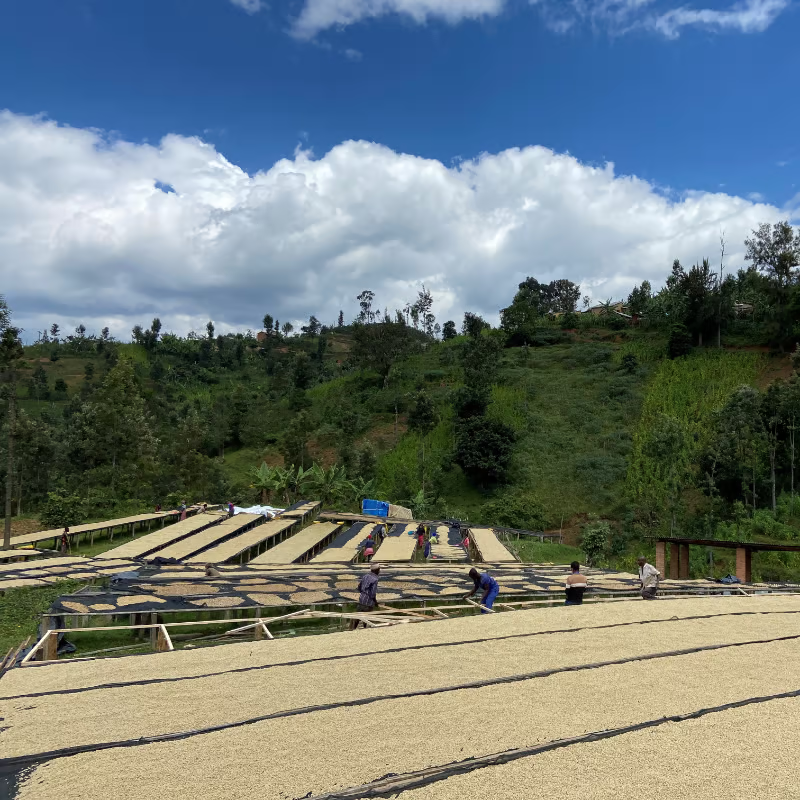
Washed coffees start with the cherry going through a depulping machine to remove the skin and pulp. The pectin in the pulp acts like glue, sticking the mucilage to the parchment layer. The ‘depulped’ cherries are transferred to a water tank for 12-48 hours where fermentation breaks down the sugars, allowing the mucilage to be washed away.
After a thorough rinse in clean water, the beans are spread out in the sun to dry in the sun. Again, care is taken to ensure an even reduction in moisture level through controlled air-flow and turning.
Washed process coffees can produce a brighter zesty acidity and complexity, described as a cleaner cup with a light tea like silky body.
Honey process
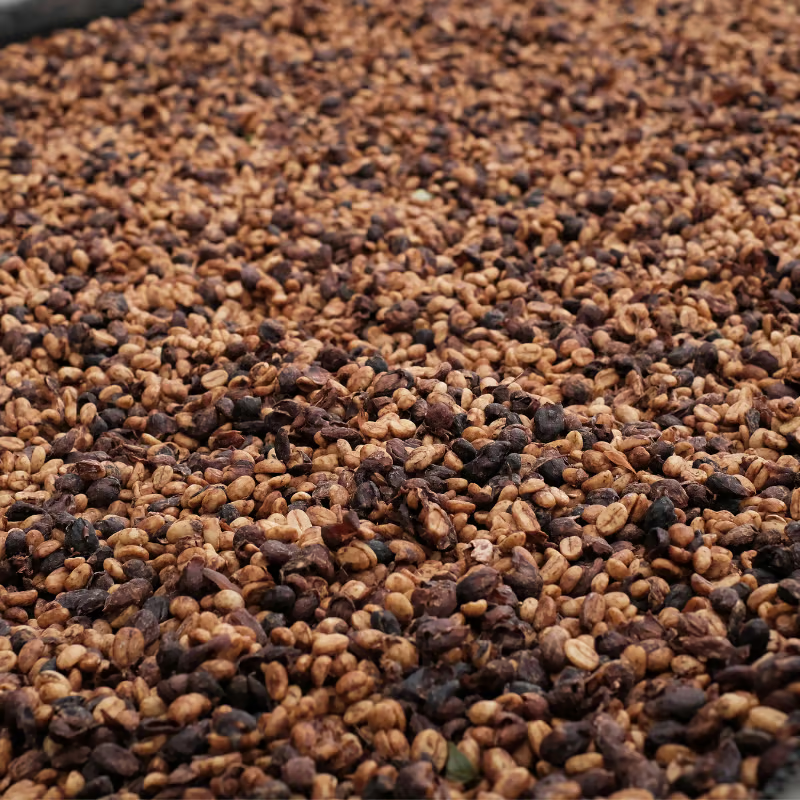
The honey process has been developed due to a desire to reduce water consumption. It closely follows the washed process but, after the skin and pulp are removed, the beans dry with the mucilage still on. It requires meticulous attention during the drying process due to the increased risks of fermentation and defects.
There is no honey involved, despite the name, rather it is a nod to the sticky feel of the mucilage. The amount left on the bean affects the flavour profile in different ways. This is known as the honey spectrum. A clean, light, floral flavour is attained with 25% mucilage, whilst 100% will result in a rich, complex jammy flavour. It can take 8-30 days to dry, depending on the mucilage level and light/humidity levels.
Anaerobic process
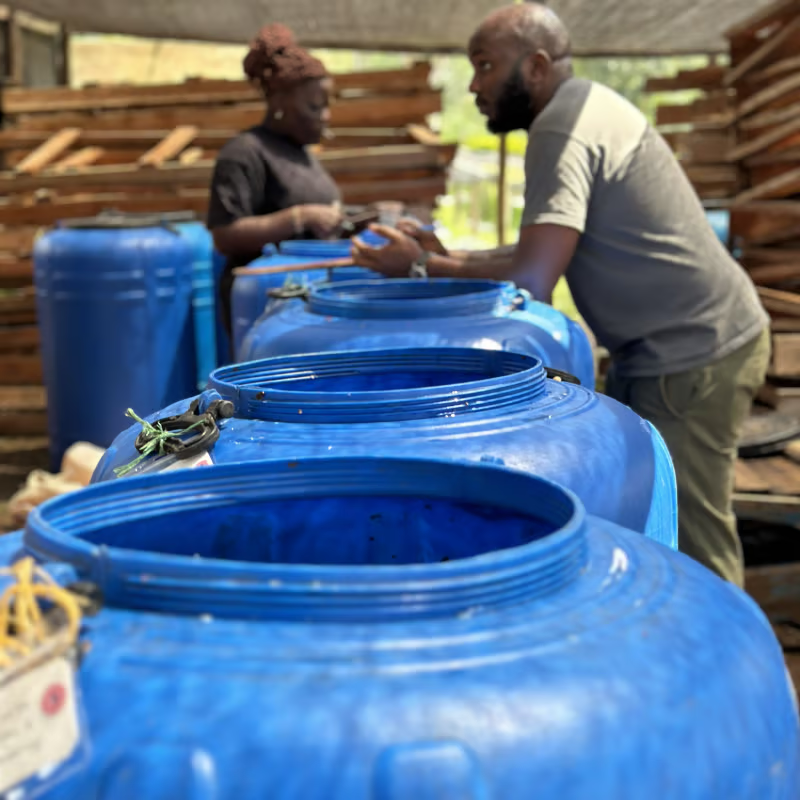
Anaerobic coffee processing is an experimental method where coffee cherries ferment in sealed, oxygen‑free tanks. Producers use either whole cherries (anaerobic natural) or de-pulped fruit (anaerobic washed). In this closed environment, beneficial microbes convert sugars into lactic acid and other flavour‑building compounds. Farmers track pH, temperature and pressure closely over 1–5 days to prevent over‑fermentation.
Once fermentation ends, the beans are still highly active, so drying has to be slow and carefully managed. Raised beds and frequent turning help control the high sugar and moisture levels, and some producers stretch drying to five weeks (‘anaerobic slow dry’) to intensify flavour.
Ethiopia has become a major centre for anaerobic naturals, while Kenya—traditionally known for clean washed coffees—is now producing a small but growing number of anaerobic lots. Burundi is also adopting the method more widely.
Anaerobic coffees are known for bold, intense profiles with exotic fruit notes, boozy aromatics, and a syrupy, velvety mouthfeel.
Resting the coffee
After these coffee processes, when the moisture content of the bean is reduced to 10-12%, it can be stored without risk of rotting. Referred to as ‘reposo’, the beans rest in their parchment for 30-60 days. This requires a cool, dry, well-ventilated and stable environment. Resting allows the remaining moisture and chemical compounds to settle equally, leading to a cleaner, more consistent cup.
Hulling
At the end of the rest period the bean goes through the dry mill where it is hulled to remove the protective parchment layer. The green beans are then passed through a machine that can identify defects by colour and sorted for size (important for roasting consistency). They are then graded by hand which is a difficult, monotonous, time-consuming process usually performed by women that is crucial to increasing the quality of lots for sale.
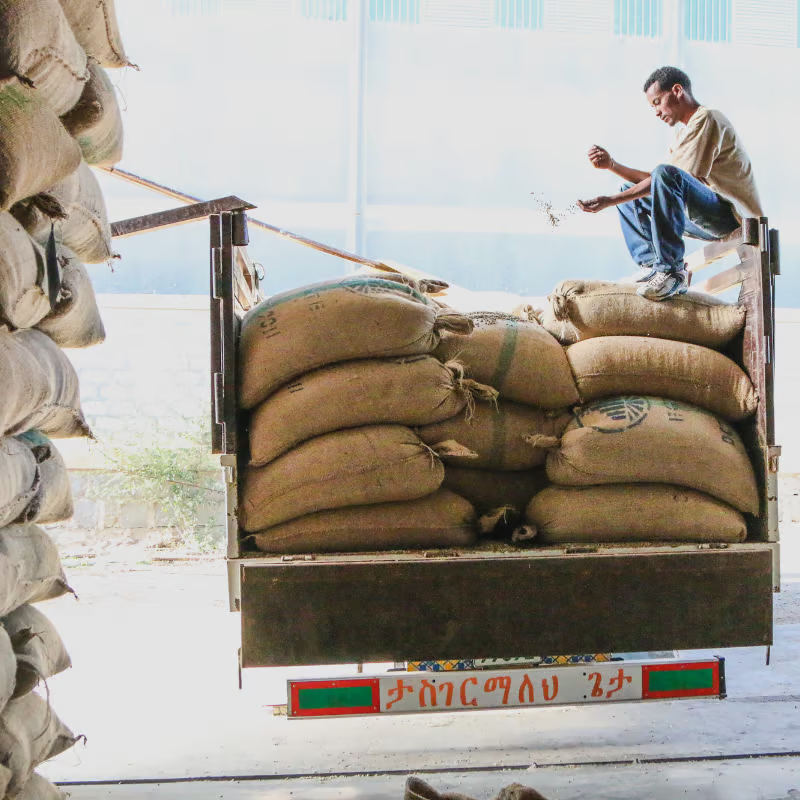
The coffee is now ready for bagging and shipping, usually in jute bags which are lined with a protective material.
coffee Processing evolution
Coffee processes are moving beyond traditional washed and natural methods toward highly controlled, experimental techniques. These are designed to enhance flavour, improve sustainability, and create unique sensory experiences. In 2025 there was a rise of anaerobic and co-fermented, experimental lots developed to meet the demand for unique, high-scoring coffee, along with increased focus on sustainability. Moving forward, 2026 is expected to be a time for precision and purpose in processing. A shift away from just loud fermentation toward balanced, intentional, and tech-driven methods that reflect terroir.