What makes African coffee special
a cultural institution
Coffee’s Cultural Roots are in Ethiopia
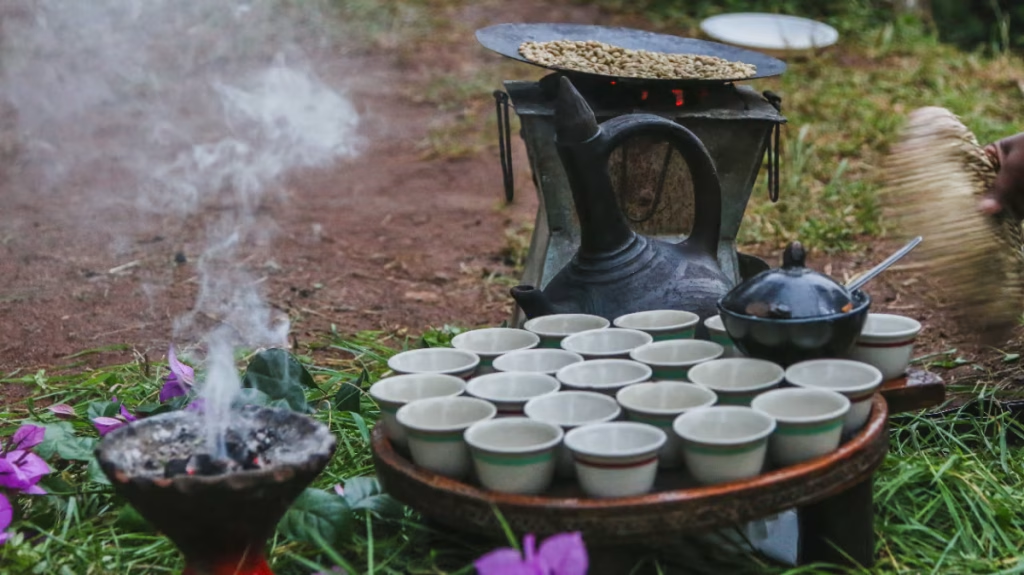
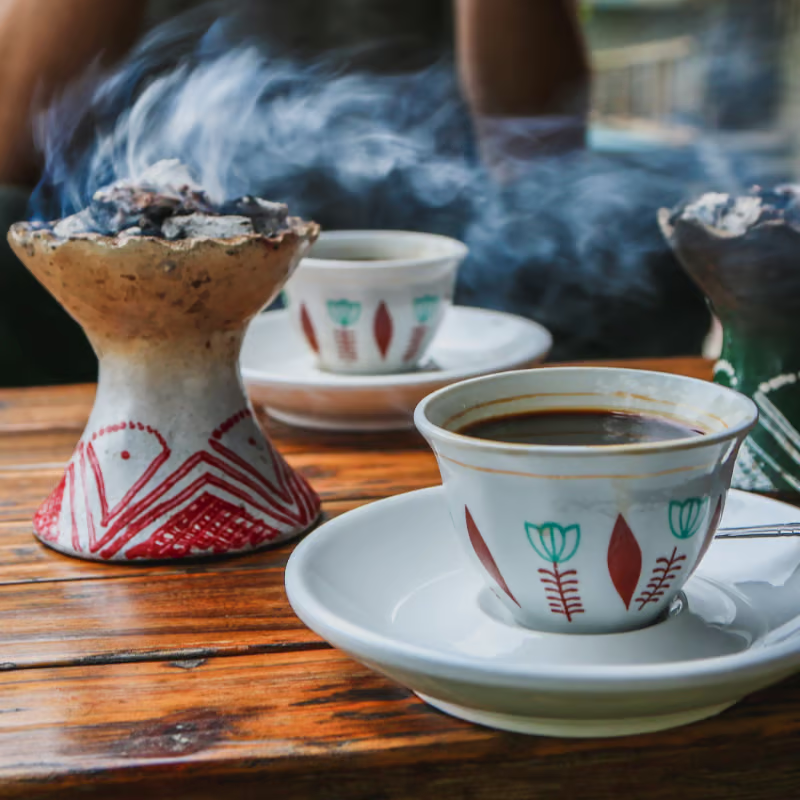
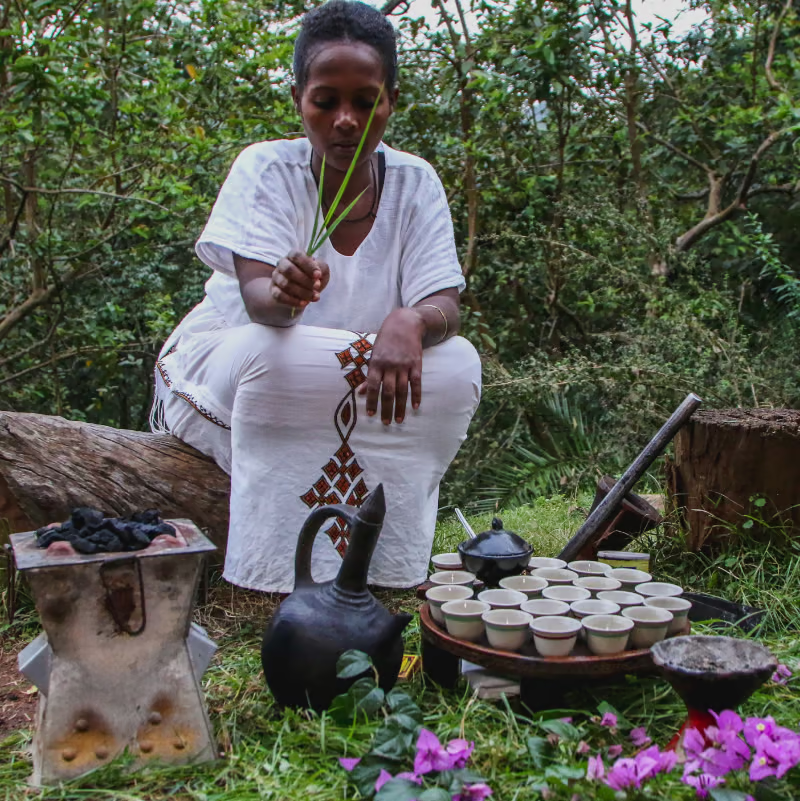
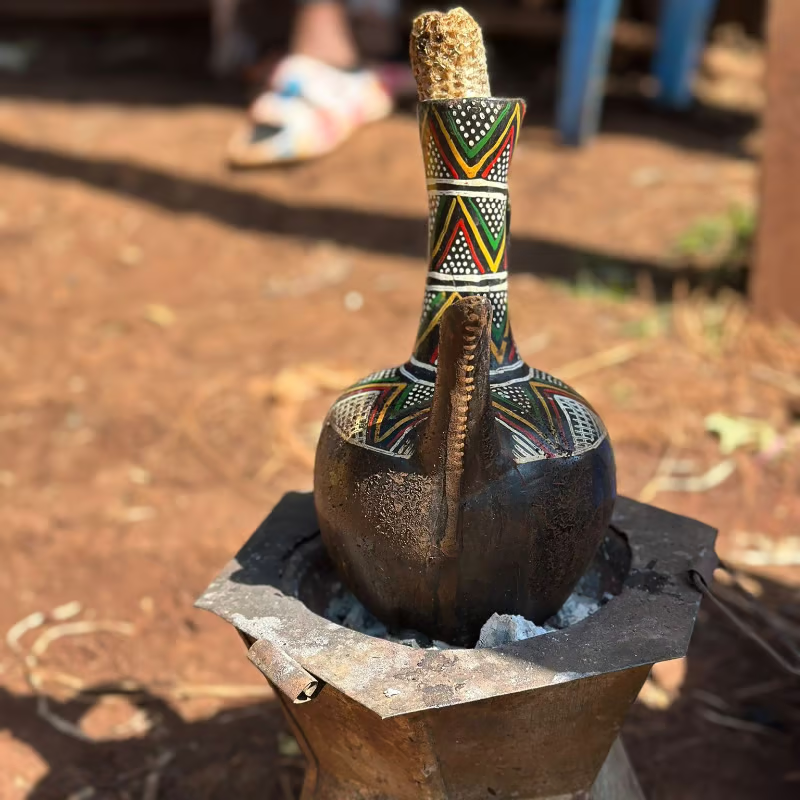
African coffee isn’t just a drink — it’s a cultural institution. In Ethiopia, the birthplace of coffee, it’s a slow, intentional ritual that brings people together. There’s no such thing as a quick coffee break; instead, the Jebena Buna ceremony honours roasting, grinding, brewing, and sharing as acts of connection, respect, and community.
This deep appreciation for craft runs through African coffee culture. It’s vibrant, complex, diverse, and rooted in centuries of tradition. Women have long been at the heart of this heritage, perfecting the art of roasting and hosting ceremonies that strengthen social bonds and offer moments of reflection.
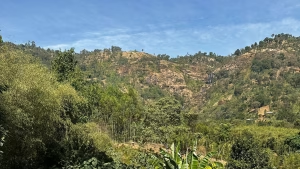
 Source: Café Imports
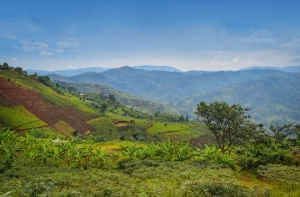
 Source: Café Imports
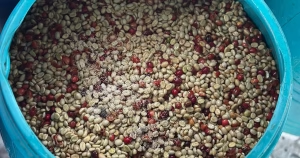
 Source: Café Imports
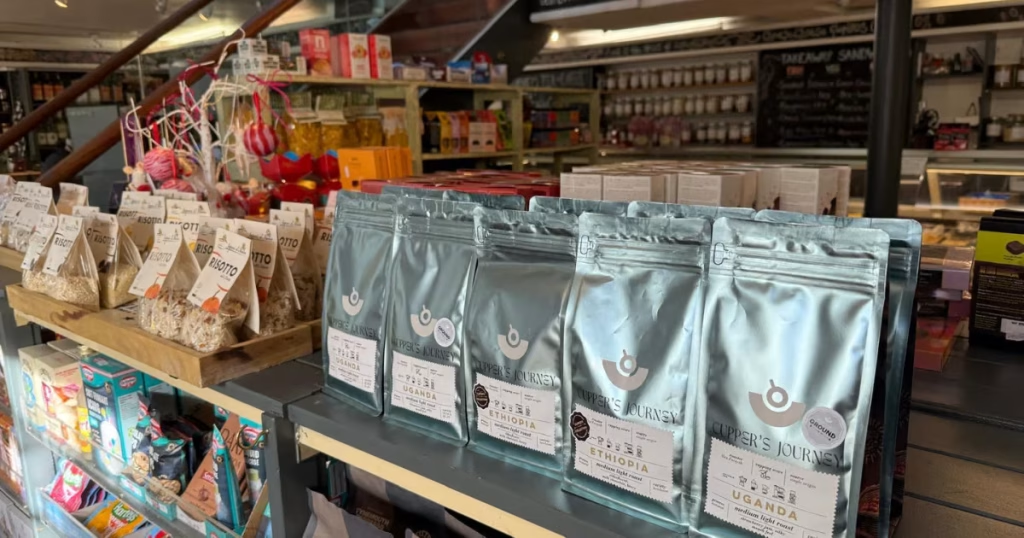
 Source: Mecota Trading Omwani
A deeper appreciation
Our own love for this slow, mindful approach was sparked in Cape Town’s thriving coffee scene. Its relaxed, communal atmosphere stood in stark contrast to the UK’s grab‑and‑go mindset. But change is coming: the fourth wave is rising, and with it a growing appetite for speciality coffee and deeper appreciation.
Cupper’s Journey was born from this experience — and from our belief that African coffee deserves to be savoured, celebrated, and shared.
The effect of terroir on coffee taste
Terroir — a term borrowed from winemaking — explains why coffee tastes so different from place to place. Soil, climate, and altitude shape everything: flavour, acidity, aroma, even the texture of the cup. Across Africa’s coffee‑growing regions, these conditions shift dramatically, creating vibrant, complex profiles you won’t find anywhere else. Even within a single farm, subtle changes in terrain can produce strikingly different lots. That’s why every harvest is unique.
Africa’s terroir is unlike anywhere else on earth, and it’s the reason African speciality coffees are so distinctive, expressive, and sought after.
Explore how the soil, climate and altitude of the African coffee growing regions affects your cup:
Soil
Volcanic soils are some of the best environments for growing coffee, packed with nutrients that shape each bean’s flavour. But the mineral balance varies from region to region — and those differences show up in the cup.
Africa’s red volcanic soils are iron rich and free draining, feeding coffee trees in a way that produces intensely aromatic, bright, floral, and fruity profiles. Coffee thrives in slightly acidic soils (pH 5.5–6.5), which boost nutrient uptake and help create the lively acidity that defines Ethiopian Yirgacheffe.
Climate
Rainfall and temperature shape coffee just as much as soil. Drier conditions slow the plant’s growth, building complexity, while warm days and cool nights extend the ripening period, creating brighter acidity and more pronounced fruity notes.
Africa’s highlands have the perfect rhythm for this. Distinct seasons guide the plant through steady growth: a dry spell triggers bud formation, the rains spark flowering, and the cherries ripen evenly, reaching harvest at peak flavour. Moderate rainfall produces dense, well rounded beans with balanced sweetness, acidity, and structure — and far less excess moisture, which means more flavour in the cup.
These high altitudes and shifting microclimates help explain the floral, fruity, expressive profiles that define so many African coffees.
Altitude
Altitude shapes coffee quality, and higher elevations consistently produce more complex, expressive beans. Warm days and cool nights slow growth, giving flavours longer to develop.
Arabica thrives at these heights. Slow ripening cherries become denser, sweeter, and naturally more acidic, with far more nuance. With fewer pests at altitude, the plants produce fewer bitter defensive compounds, resulting in a smoother, lower caffeine cup.
All our coffees grow between 1,600 and 2,300 metres — elevations that deliver clarity, sweetness, and depth.
Soil
Volcanic soils are some of the best environments for growing coffee, packed with nutrients that shape each bean’s flavour. But the mineral balance varies from region to region — and those differences show up in the cup.
Africa’s red volcanic soils are iron rich and free draining, feeding coffee trees in a way that produces intensely aromatic, bright, floral, and fruity profiles. Coffee thrives in slightly acidic soils (pH 5.5–6.5), which boost nutrient uptake and help create the lively acidity that defines Ethiopian Yirgacheffe.
Climate
Rainfall and temperature shape coffee just as much as soil. Drier conditions slow the plant’s growth, building complexity, while warm days and cool nights extend the ripening period, creating brighter acidity and more pronounced fruity notes.
Africa’s highlands have the perfect rhythm for this. Distinct seasons guide the plant through steady growth: a dry spell triggers bud formation, the rains spark flowering, and the cherries ripen evenly, reaching harvest at peak flavour. Moderate rainfall produces dense, well rounded beans with balanced sweetness, acidity, and structure — and far less excess moisture, which means more flavour in the cup.
These high altitudes and shifting microclimates help explain the floral, fruity, expressive profiles that define so many African coffees.
Altitude
Altitude shapes coffee quality, and higher elevations consistently produce more complex, expressive beans. Warm days and cool nights slow growth, giving flavours longer to develop.
Arabica thrives at these heights. Slow ripening cherries become denser, sweeter, and naturally more acidic, with far more nuance. With fewer pests at altitude, the plants produce fewer bitter defensive compounds, resulting in a smoother, lower caffeine cup.
All our coffees grow between 1,600 and 2,300 metres — elevations that deliver clarity, sweetness, and depth.
Each cup carries the spirit of Africa: its landscapes, its people, its resilience, and the generations who transformed coffee from a wild fruit into a global ritual.