How to host your own coffee cupping
have fun at home with friends exploring coffees
At home coffee cupping
Coffee cupping experiences are on the rise, but you don’t have to go to an organised event. It is fun to get some friends round and host your own home coffee cupping session. It is good to have at least three different types of bean so that you can explore the differences between them.
What you will need
Coffee cupping experience
For a simplified, more relaxed introduction to coffee cupping you may wish to to use French Presses rather than following the more advanced Q-grader technique. Small 350ml presses are ideal for this. If you want a challenge and think you are ready for the next level, then you can try the Q-grade method.
Grind and prepare each coffee in the same way to eliminate the variables. This will help you to concentrate on the differences between the coffees.
French Press method
- Grind the coffees just before starting and warm the French Presses
- Smell the dry grounds and note what you smell for each
- Add 22g of coffee to each 350ml Press and pour in 350ml of hot water
- Stir and leave to rest for 4 minutes
- Skim off any floating grounds and foam and leave to rest for a further 5 minutes
- Put the lids on firmly and press gently until the mesh touches the liquid
- Pour everyone a sample of each coffee
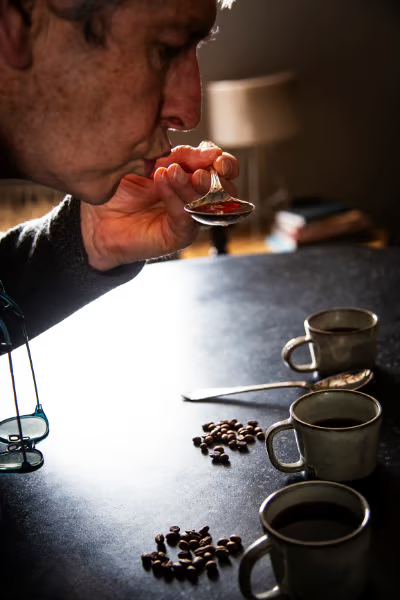
- Take a good slurp off each coffee from the spoon so it hits your palette. Note the tastes
- Continue slurping each coffee in turn as the samples cool, talking and jotting down flavours and memories each coffee invokes. Try to give each sample a number for strength of acidity, sweetness and body
Q-Grade Method
- Grind the coffees just before starting
- Add the grounds to the cups (11g/200ml cup)
- Smell the dry grounds – make a note of the aromas of each different coffee, highlighting any differences
- Pour hot water into each cup, up to the rim
- Smell the crust – make a note of the aromas again
- Break the crust by stirring each coffee three times (rinse the spoon between each) – make a note of the aromas again
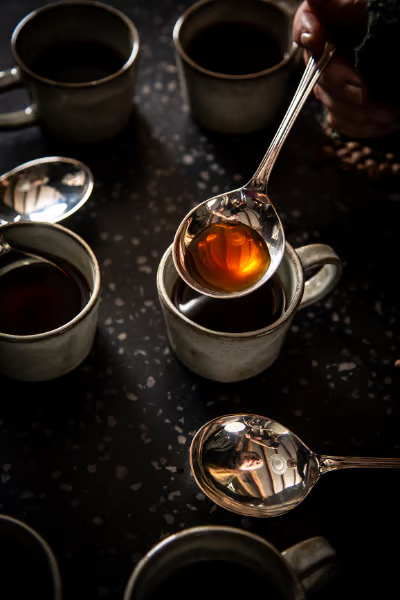
- Use a spoon or two to remove any floating grounds and oils
- Leave the coffees to steep for a while, enjoying the differences in the smells
- When cool enough, take a good slurp off each coffee from the spoon so it hits your palette – note down the tastes
- Continue slurping each coffee in turn as the samples cool, talking and jotting down flavours and memories each coffee invokes. Try to give each sample a number for strength of acidity, sweetness and body
Differences in palette
The free Coffee Cupping Evaluation form that you receive when you buy the Tasting Adventure Pack is ideal for taking notes, with a beginners and advanced option. It will help you to think about all of the different areas to focus on and, if possible give them a rating so you can compare each coffee.
There is no right or wrong answer as everyone responds differently to taste. Our stored memories form part of a ‘flavour catalogue‘ which is why we all have unique views which develop over time. With practice, the mindful enjoyment of coffee cupping will enhance your ability to make an informed choice.