Why Rwandan Coffee Is a Good Choice for a Home Brew
if you mostly brew at home and want coffees that genuinely taste different – explore Rwandan coffees
Why Rwandan Coffee Tastes Different

And here’s why: Rwandan coffee tastes like… actual fruit
Rwandan coffees are famous for their recognisable fruit notes—think raspberries, cherries, even redcurrants.
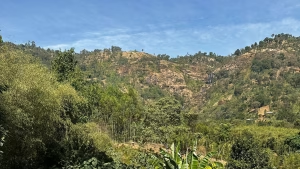
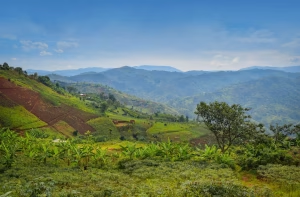
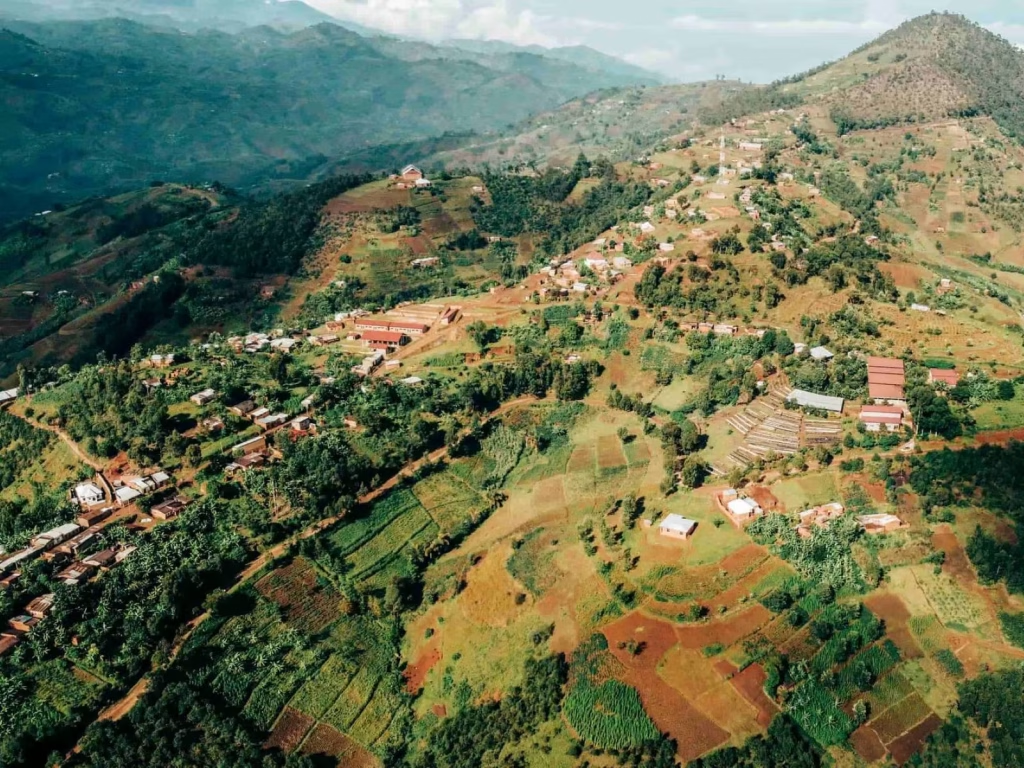
That’s partly down to the country’s high-altitude hills and volcanic soil around Lake Kivu, where coffee grows slowly and develops more complex sugars.
In your cup, that means:
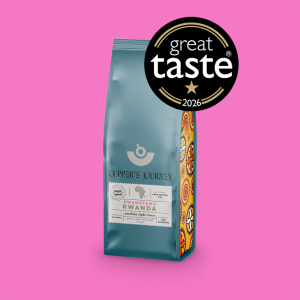
A natural Rwamatamu lot, for example, brings sharp berry notes with a creamy texture and a soft cocoa finish—great for filter brews where you want clarity and sweetness and also works for Moka pot and espresso giving intense sweet syrupy flavours.
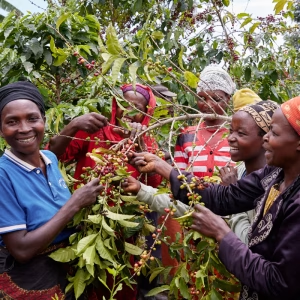
Attention to Detail = Consistency
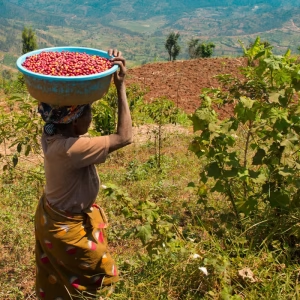
Rwanda is known as the ‘Land of a Thousand Hills‘. Most Rwandan coffee is grown on tiny hillside farms, often less than a hectare. Because they’re so small:
One Main Variety = More Consistency
Unlike some origins with lots of mixed varieties, Rwanda is dominated by Red Bourbon.
Why that matters when brewing at home:
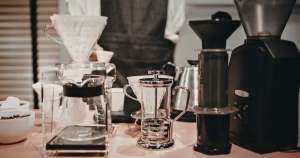
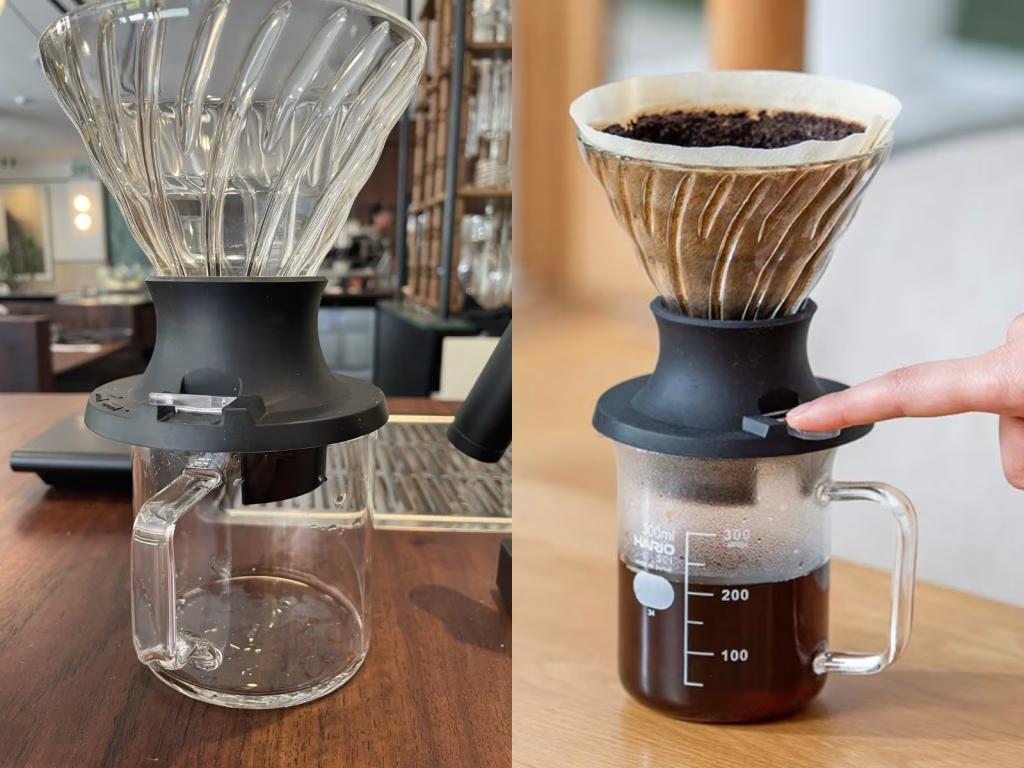
So whether you’re using a V60, AeroPress, or cafetière, you’ll likely get a clean, repeatable result without constant tweaking.
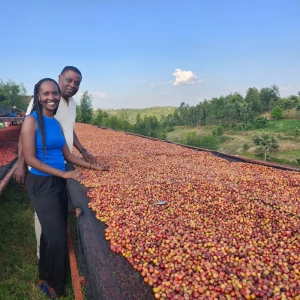
Naturals That Are Clean
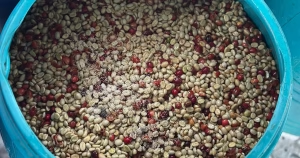
If you’ve tried natural coffees before and haven’t yet been convinced, Rwanda might change your mind.
Here’s the difference:
The result is fruit-forward but clean—so you get the sweetness and berry notes without overpowering fermentation flavours.
A Forward-Thinking Coffee Culture
Rwanda’s specialty coffee industry is relatively young—it only really took off after the early 2000s. That’s led to a culture that’s:
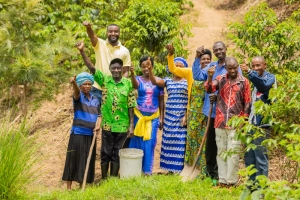
Producers like Rwamatamu have even built their own cupping labs to refine flavour and train teams—something you’d normally expect only from larger, more established origins.